

A small picture book describing various birds and their behaviour in different seasons
Illustrated by G. Nikolsky
Translated from the Russian by Jan Butler
A small picture book describing various birds and their behaviour in different seasons
Illustrated by G. Nikolsky
Translated from the Russian by Jan Butler

A book about time and how we measure it. An activity book for children with lot of puzzles and hands-on constructions to understand how we measure time by different natural phenomena.
Illustrated by B. Rytman

An adventure story of four bunnies who go to gather mushrooms for children.
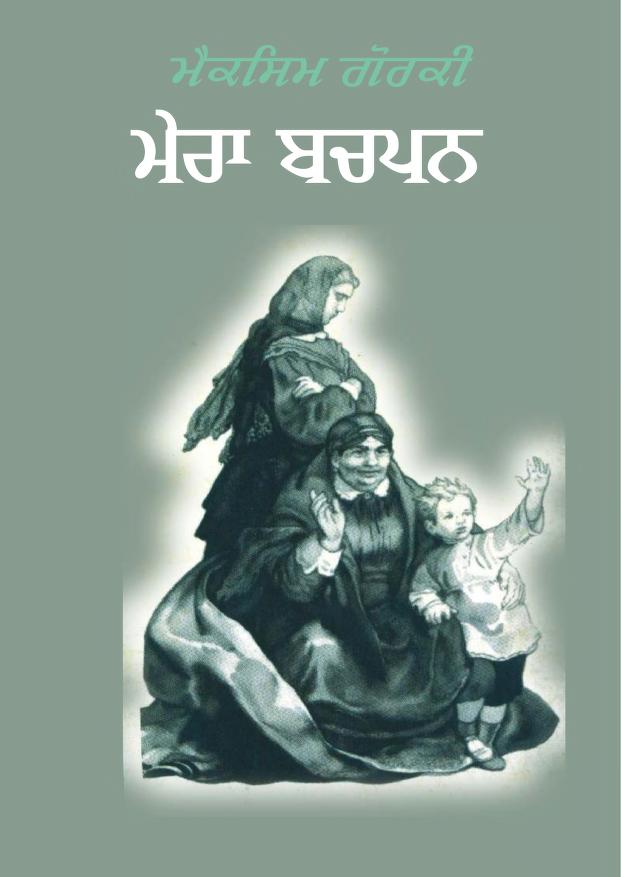
“ਮੇਰਾ ਬਚਪਨ” ਮੈਕਸਿਮ ਗੋਰਕੀ ਦੀ ਆਤਮਕਥਾ ਦੀ ਪਹਿਲੀ ਕਿਤਾਬ ਹੈ, ਜਿਸ ਵਿੱਚ ਉਸ ਨੇ ਆਪਣੇ ਬਚਪਨ ਦੇ ਤਜਰਬਿਆਂ ਨੂੰ ਬਿਆਨ ਕੀਤਾ ਹੈ। ਇਹ ਕਹਾਣੀ ਰੂਸ ਵਿੱਚ 19ਵੀਂ ਸਦੀ ਦੇ ਆਖ਼ਰੀ ਦੌਰ ਵਿੱਚ ਇੱਕ ਗਰੀਬ ਪਰਿਵਾਰ ਵਿੱਚ ਪਲਣ ਬਾਰੇ ਹੈ। ਕਿਤਾਬ ਵਿੱਚ ਉਹ ਦੁਖਦਾਈ ਬਚਪਨ ਅਤੇ ਘਰੇਲੂ ਤਕਰਾਰਾਂ ਨੂੰ ਸਾਂਝਾ ਕਰਦਾ ਹੈ ਜਿਹਨਾਂ ਨੇ ਉਸਦੀ ਜ਼ਿੰਦਗੀ ਨੂੰ ਡੂੰਘਾਈ ਨਾਲ ਪ੍ਰਭਾਵਿਤ ਕੀਤਾ।
ਕਹਾਣੀ ਦੀ ਸ਼ੁਰੂਆਤ ਗੋਰਕੀ (ਅਲੇਕਸੀ ਮਕਸੀਮੋਵਿਚ ਪੇਸ਼ਕੋਵ) ਦੇ ਪਿਤਾ ਦੀ ਮੌਤ ਤੋਂ ਹੁੰਦੀ ਹੈ। ਮਾਂ ਦੇ ਦੁਖਦਾਈ ਹਾਲਾਤਾਂ ਕਾਰਨ, ਗੋਰਕੀ ਨੂੰ ਆਪਣੇ ਨਾਨਾ ਨਾਨੀ ਦੇ ਘਰ ਰਹਿਣਾ ਪੈਂਦਾ ਹੈ। ਨਾਨਾ ਗੁੱਸੇਵਾਲਾ ਅਤੇ ਤਰਲੇਗਿਰੀ ਢੰਗ ਦਾ ਹੁੰਦਾ ਹੈ, ਜਿਸ ਕਾਰਨ ਘਰ ਵਿੱਚ ਹਿੰਸਾ ਦਾ ਮਾਹੌਲ ਬਣਿਆ ਰਹਿੰਦਾ ਹੈ। ਪਰ ਇਸ ਬਦਕਿਸਮਤੀ ਦੇ ਦੌਰ ਵਿੱਚ ਵੀ, ਗੋਰਕੀ ਦੀ ਨਾਨੀ ਇੱਕ ਹਿੰਮਤਵਾਨ ਅਤੇ ਪਿਆਰ ਵਾਲੀ ਸ਼ਖਸੀਅਤ ਹੋਣ ਦੇ ਨਾਲ ਉਸਨੂੰ ਮੁਸ਼ਕਿਲ ਹਾਲਾਤਾਂ ਵਿੱਚ ਵੀ ਜ਼ਿੰਦਗੀ ਦਾ ਸੱਚਾ ਮਤਲਬ ਸਿੱਖਾਉਂਦੀ ਹੈ।
“ਮੇਰਾ ਬਚਪਨ” ਵਿੱਚ ਗੋਰਕੀ ਨੇ ਗਰੀਬੀ, ਹਿੰਸਾ, ਅਤੇ ਮਨੁੱਖੀ ਸੰਘਰਸ਼ਾਂ ਦਾ ਸੰਵੇਦਨਸ਼ੀਲ ਰੂਪ ਦੱਸਿਆ ਹੈ, ਪਰ ਨਾਲ ਹੀ ਉਹ ਜੀਵਨ ਦੀ ਹਿੰਮਤ ਅਤੇ ਨੈਤਿਕ ਤਾਕਤ ਨੂੰ ਵੀ ਦਰਸਾਉਂਦਾ ਹੈ। ਆਪਣੇ ਬਚਪਨ ਦੇ ਸਖ਼ਤ ਅਨੁਭਵਾਂ ਦੇ ਬਾਵਜੂਦ, ਉਹ ਆਪਣੇ ਆਪ ਨੂੰ ਜ਼ਿੰਦਗੀ ਦੀਆਂ ਸਚਾਈਆਂ ਨਾਲ ਜੋੜਦਾ ਹੈ ਅਤੇ ਉਮੀਦ ਨਹੀਂ ਛੱਡਦਾ। ਕਹਾਣੀ ਵਿੱਚ ਸਾਮਾਜਿਕ ਅਨਿਆਏ ਅਤੇ ਆਰਥਿਕ ਸ਼ੋਸ਼ਣ ਦੀਆਂ ਵਿਆਪਕ ਸਮੱਸਿਆਵਾਂ ਨੂੰ ਵੀ ਬਿਆਨ ਕੀਤਾ ਗਿਆ ਹੈ।
ਗੋਰਕੀ ਦੀ ਇਹ ਕਿਤਾਬ ਕਵਿਤਮੂਲ ਅਤੇ ਸਹਿਰਦਯੀ ਰੂਹ ਦੀ ਪ੍ਰਤੀਕ ਹੈ ਜੋ ਦੁਖਦਾਈ ਹਾਲਾਤਾਂ ਵਿੱਚ ਵੀ ਉਮੀਦ ਅਤੇ ਜੀਵਨ ਦੀ ਤਾਕਤ ਨੂੰ ਪ੍ਰਗਟਾਉਂਦੀ ਹੈ।
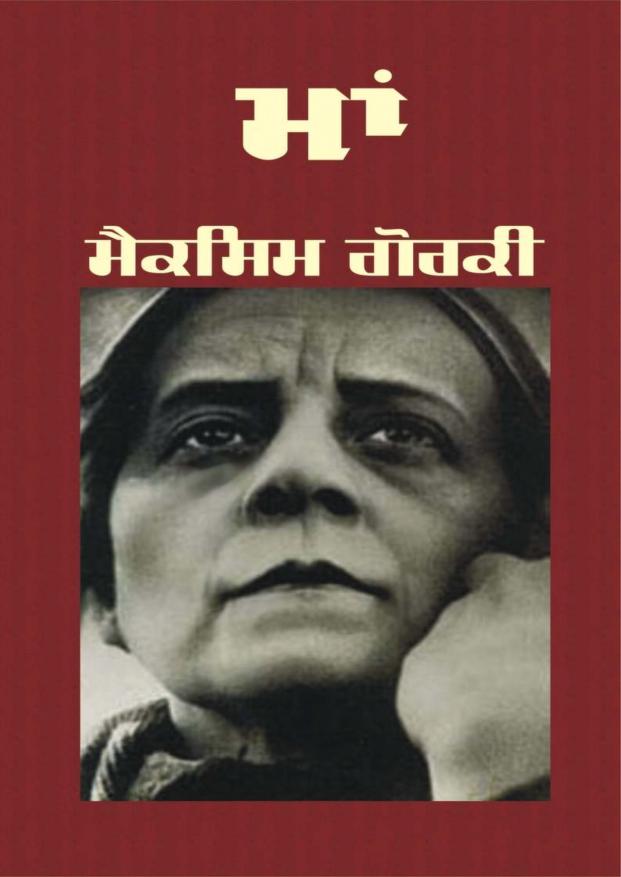
ਮੈਕਸਿਮ ਗੋਰਕੀ ਦੀ ਕਿਤਾਬ “ਮਾਂ” 1906 ਵਿੱਚ ਲਿਖੀ ਗਈ ਇੱਕ ਪ੍ਰਸਿੱਧ ਰੂਸੀ ਕਲਾਸਿਕ ਹੈ। ਇਹ ਕਿਤਾਬ ਰੂਸੀ ਕ੍ਰਾਂਤੀ ਦੀ ਪਿੱਠਭੂਮੀ ਵਿੱਚ ਇੱਕ ਮਜ਼ਦੂਰ ਵਰਗ ਦੀ ਮਾਂ ਪੇਲਾਗੇਆ ਨਿਲੋਵਨਾ ਦੀ ਕਹਾਣੀ ਹੈ ਜੋ ਆਪਣੇ ਬੇਟੇ ਪਾਵਲ ਦੇ ਰਾਸ਼ਟਰੀ ਅਜ਼ਾਦੀ ਦੇ ਸੰਘਰਸ਼ ਵਿੱਚ ਸ਼ਾਮਲ ਹੋ ਜਾਂਦੀ ਹੈ।
ਕਹਾਣੀ ਇੱਕ ਮਜ਼ਦੂਰ ਕਸਬੇ ਵਿੱਚ ਘਟਿਤ ਹੁੰਦੀ ਹੈ ਜਿੱਥੇ ਮਜ਼ਦੂਰ ਸ਼ੋਸ਼ਣ ਅਤੇ ਅਨਿਆਏ ਦੇ ਹਾਲਾਤਾਂ ਵਿੱਚ ਜੀ ਰਹੇ ਹੁੰਦੇ ਹਨ। ਪਾਵਲ, ਜੋ ਮਾਂ ਦਾ ਬੇਟਾ ਹੈ, ਸ਼ੁਰੂ ਵਿੱਚ ਇੱਕ ਆਮ ਮਜ਼ਦੂਰ ਹੁੰਦਾ ਹੈ, ਪਰ ਜਦੋਂ ਉਹ ਕ੍ਰਾਂਤੀਵਾਦੀ ਵਿਚਾਰਾਂ ਵਿੱਚ ਰੁਚੀ ਲੈਣ ਲੱਗਦਾ ਹੈ, ਉਹ ਸਮਾਜਿਕ ਬਦਲਾਵ ਲਈ ਮਜ਼ਦੂਰਾਂ ਨੂੰ ਜਗਾਉਣ ਦੀ ਕੋਸ਼ਿਸ਼ ਕਰਦਾ ਹੈ। ਮਾਂ ਅਰੰਭ ਵਿੱਚ ਕਹਾਣੀ ਦੀ ਸੰਕੁਚਿਤ ਦੁਨੀਆ ਵਿੱਚ ਬੰਦੀ ਹੁੰਦੀ ਹੈ, ਪਰ ਜਿਵੇਂ ਜਿਵੇਂ ਉਹ ਆਪਣੇ ਬੇਟੇ ਦੇ ਕਾਰਨ ਕ੍ਰਾਂਤੀ ਦੇ ਵਿਚਾਰਾਂ ਨੂੰ ਸਮਝਦੀ ਹੈ, ਉਹ ਵੀ ਇਸ ਸੰਘਰਸ਼ ਦਾ ਹਿੱਸਾ ਬਣ ਜਾਂਦੀ ਹੈ।
ਮਾਂ ਦੀ ਕਿਰਦਾਰਕ ਯਾਤਰਾ ਇੱਕ ਡਰਪੋਕ ਅਤੇ ਬੰਦ ਜ਼ਿੰਦਗੀ ਵਾਲੀ ਔਰਤ ਤੋਂ ਬਦਲ ਕੇ ਇੱਕ ਹਿੰਮਤਵਾਨ, ਸਮਰਪਿਤ ਕ੍ਰਾਂਤੀਕਾਰੀ ਬਣਨ ਤੱਕ ਦੀ ਹੈ। ਕਿਤਾਬ ਵਿੱਚ ਮਜ਼ਦੂਰਾਂ ਦੀ ਹਾਲਤ, ਬੇਇਨਸਾਫ਼ੀ ਅਤੇ ਸਮਾਜਕ ਬਦਲਾਵ ਦੀ ਲੋੜ ਬਹੁਤ ਹੀ ਮਜਬੂਤੀ ਨਾਲ ਦਰਸਾਈ ਗਈ ਹੈ। ਮਾਂ ਅਤੇ ਬੇਟੇ ਦੀ ਭੂਮਿਕਾ ਸਮਾਜ ਵਿੱਚ ਬਦਲਾਅ ਲਈ ਕਿਸ ਤਰ੍ਹਾਂ ਅਹਿਮ ਹੁੰਦੀ ਹੈ, ਇਹ ਕਿਤਾਬ ਦਾ ਕੇਂਦਰੀ ਵਿਚਾਰ ਹੈ।
ਗੋਰਕੀ ਦੀ ਇਹ ਰਚਨਾ ਕਮਿਊਨਿਸਟ ਚਲਾਂਵਿਆਂ ਲਈ ਇੱਕ ਪ੍ਰੇਰਣਾ ਬਣੀ ਅਤੇ ਵਿਸ਼ਵ ਪੱਧਰ ‘ਤੇ ਕਲਾਸੀਕਲ ਕਾਮਰੇਡੀ ਸਾਹਿਤ ਵਿੱਚ ਸ਼ਾਮਿਲ ਕੀਤੀ ਜਾਂਦੀ ਹੈ।
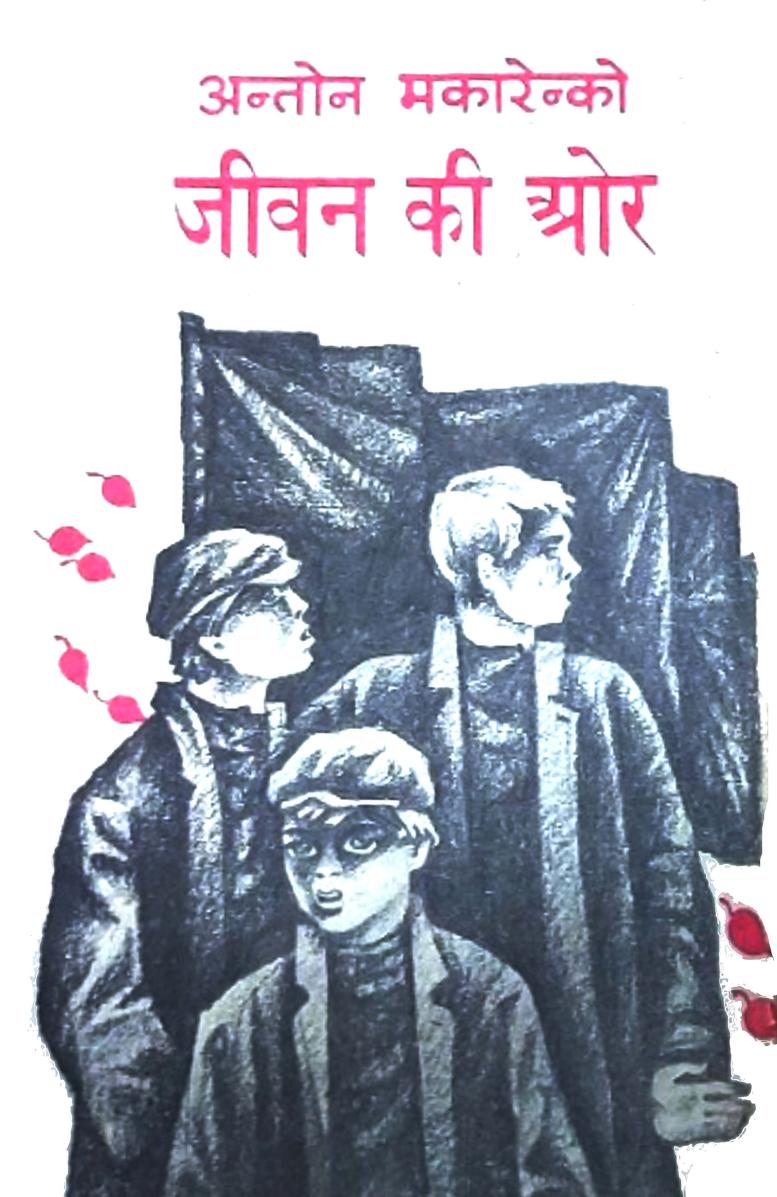
The Road to Life Book 2 by Anton Makarenko continues the narrative of the educational and transformative journey of juvenile delinquents in a Soviet labor colony. The book focuses on the methods employed by the colony’s staff to reform these young individuals. Through rigorous discipline, hard work, and education, the inmates begin to change their ways and embrace new values. The book highlights the struggles and successes of both the educators and the youths, showing how a structured and supportive environment can lead to personal growth and rehabilitation.
Hindi Summary:
जीवन की ओर पुस्तक 2, एंटोन मकरेनको द्वारा, एक सोवियत श्रमिक कॉलोनी में किशोर अपराधियों की शैक्षिक और परिवर्तनकारी यात्रा की कहानी को जारी रखती है। यह पुस्तक कॉलोनी के स्टाफ द्वारा उपयोग की गई विधियों पर ध्यान केंद्रित करती है, जो इन युवाओं को सुधारने के लिए लागू की जाती हैं। कड़ी अनुशासन, मेहनत, और शिक्षा के माध्यम से, कैदी अपने तरीकों को बदलना शुरू करते हैं और नए मूल्य अपनाने लगते हैं। पुस्तक शिक्षकों और युवाओं दोनों की संघर्षों और सफलताओं को उजागर करती है, यह दर्शाते हुए कि एक संरचित और सहायक वातावरण कैसे व्यक्तिगत विकास और पुनर्वास की दिशा में ले जा सकता है।
नरोत्तम नागर द्वारा रूसी से अनुवादित
इशिन द्वारा चित्रित
All credits to Guptaji

બાળકો માટે વાર્તાઓનો સંગ્રહ
અનુવાદ – હસમુખ બારાડી
સજાવટ-ઓલેગ કોરોવિન
અનુક્રમણિકા
અલેક્સાન્દર પૂરિકન
“સમદર તટને એક વળાંકે….’ (‘રુસ્લાન અને લ્યુમીલા’ પદ્યકથાના પુરોવચનમાંથી)
૫
સર્ગેઈ અક્સાકોવ
“એક કિરમજી ફૂલ”
7
અન્તોની પોગોરેલ્સ્કી
‘નાનકડી કાળુડી મરઘી અથવા ભૂગર્ભવાસી લોકો’
33
વ્લાદીમિર ઓદોયેવ્સ્કી
‘છીંકણીની ડબ્બીમાં નગર’
66
મિખાઈલ લેર્મોન્તોવ
‘આશિક-કેરીબ’
74
વ્લાદીમિર દાલ
‘બિલાડાભાઈ અને શિયાળબાઈ’
85
કોન્તાન્તીન ઉશીન્સ્કી
‘આંધળો ઘોડો’
80
લેવ તોલ્સ્ટોય
‘નેક કાજી’
84
સેવોલોદ ગાર્શિન
‘દેડકીબાઈ આકાશે ઊડયાં …’
88
મીત્રી મામિન-સિબિર્યાક
‘ભૂખરી ડોકવાળી બતકડી’
105
નિકોલાઈ ગારિન
‘વાઘના શિકારીઓ’
115
અલેક્સાન્દર કુપ્રીન
‘કિસ્મત’
118
You can get the book here and here
All credits to Guptaji

In the chapter “Metelista Goes on Reconnaissance” from The Rout by Fadeev, the character Metelista is sent on a reconnaissance mission during the tumultuous period of the Russian Civil War. The chapter details his journey as he gathers crucial information about enemy positions and movements.
Metelista’s mission is vital for the strategic planning of his forces. The chapter highlights his resourcefulness, bravery, and the dangerous conditions he faces. As he navigates through enemy territory, Metelista encounters various challenges but remains determined to complete his task. His observations and the intelligence he collects play a crucial role in the overall strategy and effectiveness of his side’s operations.
The chapter serves as a tense and dramatic depiction of wartime reconnaissance, emphasizing the risks and importance of gathering accurate information in a conflict-ridden environment.
अनुवादक योगेन्द्र नागपाल
The Rout के अध्याय “मेटेलिस्ता टोह पर” में, चरित्र मेटेलिस्ता को रूसी गृहयुद्ध के उथल-पुथल भरे समय में गुप्तचर मिशन पर भेजा जाता है। इस अध्याय में उसकी यात्रा का वर्णन किया गया है जब वह दुश्मन की स्थितियों और चालों के बारे में महत्वपूर्ण जानकारी एकत्र करता है।
मेटेलिस्ता का मिशन उसके बलों की रणनीतिक योजना के लिए अत्यंत महत्वपूर्ण है। यह अध्याय उसकी चतुराई, बहादुरी और उन खतरनाक परिस्थितियों को उजागर करता है जिनका वह सामना करता है। दुश्मन के क्षेत्र में यात्रा करते हुए, मेटेलिस्ता विभिन्न चुनौतियों का सामना करता है लेकिन अपनी जिम्मेदारी पूरी करने के लिए दृढ़ रहता है। उसने जो अवलोकन और जानकारी एकत्र की, वह उसकी ओर की संचालन की रणनीति और प्रभावशीलता में महत्वपूर्ण भूमिका निभाती है।
यह अध्याय युद्धकालीन गुप्तचर कार्य की तनावपूर्ण और नाटकीय चित्रण करता है, जिसमें एक संघर्षपूर्ण वातावरण में सटीक जानकारी एकत्र करने के जोखिम और महत्व पर जोर दिया गया है।

The pamphlet “Ballistic Missile Aiming Systems” is part of the “Rocket Technology” which is put out by the Military Publishing House.
In the pamphlet in an elementary form are expounded the principles of aiming of ballistic missiles and construction of aiming systems. Basic attention in it is allotted to a considera tion of the essence of aiming, the rorking and arrangement of elements included in the systems for aiming missiles.
The pamphlet is intended for soldiers, sergeants, students at military schools, and also for a wide circle of readers who are interested in questions cf rocket technology.
The pamphlet is written with the use of materials from the open Soviet and foreign press.
A comparative appraisal of different systems and methods of aiming of missiles is given in accordance with the views of the authors of these articles.
You can get the book here and here
Introduction viii
Chapter I. General Information of Missile Aiming 1
1. Systems of Coordinates Utilized During Aiming 1
2. Essence of Aiming 4
3. Initial Data for Aiming 6
4. Control Elements Utilized During Aiming 9
5. Influence of Errors of Aiming on Deviation of Points of Impact of Missiles 11
6. Missions Solved by Aiming Systems 14
7. Classification of Aiming Devices 13
Chapter II. Photoelectric Devices 17
1. Assignment and Classification 17
2. Elements of Photoelectric Devices 18
3. Goniometer with External Light Source 21
4. Autocollimating Goniometers 24
5. Photoelectric Synchronous Gear 30
6. Photoelectric Transducers of Angles 32
Chapter III. Polarization Devices 35
1. Assignment and Principle of Operation of Polarization Devices 35
2. Synchronous Gear with Mechanical Modulation of Signal 36
3. Synchronous Gear with Electrical Modulation of Signal 38
4. Polarization Goniometer 40
Chapter IV. Amplifying-Conversion Devices 44
1. Assignment and Classification 44
2. Amplifiers of Photocurrents 45
3. Converters of Signals 48
Chapter V. Induction Synchronous Gears 51
1. Application of Synchronous Gears in Aiming Systems 52
2. Elements of Synchronous Gears 52
3. Multichannel Synchronous Gears with Mechanical Reduction 55
4. Synchronizers 59
5. Multichannel Synchronous Gears with Electrical Reduction 61
Chapter VI. Gyroscopic Devices 65
1. Problems Solved by Gyroscopic Devices During Aiming 65
2. Basic Properties of Gyroscopes 67
3. Gyroazimuths 67
4. Gyrocompasses 70
Chapter VII. Servosystems 77
1. Assignment and Elements 77
2. Basic Properties and Characteristics of Servosystems 78
3. Systems for Following Wind Rolling of a Missile 82
4. Measuring Servosystems 84
5. Servosystems of Synchronous Gears 86
6. Servosystems for Turning Missiles and Gyroplatforms 87
Chapter VIII. Missile Aiming Systems Using External Information 90
1. Vertical Positioning of Missiles 90
2. Systems for Aiming Missiles During Launching from Ground Launchers 92
3. Aiming of Missiles During Launching from Mobile Launchers 93
4. Aiming of Missiles During Launching from Silo Launchers 101
5. Aiming of Missiles During Launching from Submarines 103
Chapter IX. Missile Aiming Systems Using Onboard Devices 109
1. Principles of Aiming when Using Onboard Devices 109
2. Horizontal Positioning of the Gyroplatform 110
3. Azimuthal Aiming Using the Gyrocompass Methods 111
4. Astronomical Method for Orientation of Gyroplatform 112
Conclusions 116
Bibliography 117
A collection of stories and poems for children by great Soviet writers. A biographical note of each writer is given.
Drawings by Georgy Yudin
Compilation and notes on authors by Igor Bronetsky
Translated from the Russian
All credits to Guptaji
You can get the book here and here
CONTENTS
Stories
Zoya Voskresenskaya
SURPRISE
Translated by Olga Shartse
7
Arkady Gaidar
THE HOT STONE
Translated by Jan Butler
14
Konstantin Paustovsky
FRESH BREAD
Translated by Fainna Glagoleva
21
Mikhail Prishvin
THE MANY FLOORS OF THE FOREST
32
YARIK
Translated by Fainna Solasko
35
Vitaly Bianki
THE FIRST HUNT
Translated by Ronald Vroon
40
FOREST HOMES
Translated by Fainna Glagoleva
44
Ivan Sokolov-Mikitov
THE CRANE AVIATOR
50
A CAMP IN THE STEPPE
Translated by Jan Butler
55
Boris Zhitkov
THE POST
57
THE LITTLE WHITE HOUSE
Translated by Jan Butler
59
Yevgeny Shvarts
A TALE OF WASTED TIME
Translated by Fainna Solasko
64
Nikolai Nosov
VISITING GRANDPA
Translated by Fainna Solasko
74
Eduard Uspensky
BOBBY THE GUN DOG
80
GENA THE CROCODILE AND HIS FRIENDS (AN EXCERPT)
Translated by Jan Butler
83
Boris Zakhoder
LITTLE GREY STAR
Translated by Jan Butler
88
Poems
Vladimir Mayakovsky
WHAT SHALL I BE?
Translated by Dorian Rottenberg
99
Kornei Chukovsky
WASH EM CLEAN
Translated by Eugene Felgenhauer
108
THE MUDDLE
Translated by Dorian Rottenberg
115
Samuel Marshak
A HAPPY DAY
Translated by Dorian Rottenberg
119
IN THE VAN
Translated by Margaret Wettlin
124
Sergei Mikhalkov
WHAT HAVE YOU?
127
MY PUPPY
Translated by Dorian Rottenberg
131
DOUBTING FOMA
Translated by Eugene Felgenhauer
133
Agnia Barto
ON THE WAY TO SCHOOL
136
SERYOZHA’S HOMEWORK
Translated by Dorian Rottenberg
138
LEFT BEHIND
Translated by Avril Pyman
140
MY FIRST VISIT TO THE BALLET
Translated by Eugene Felgenhauer
141
 Mir Books