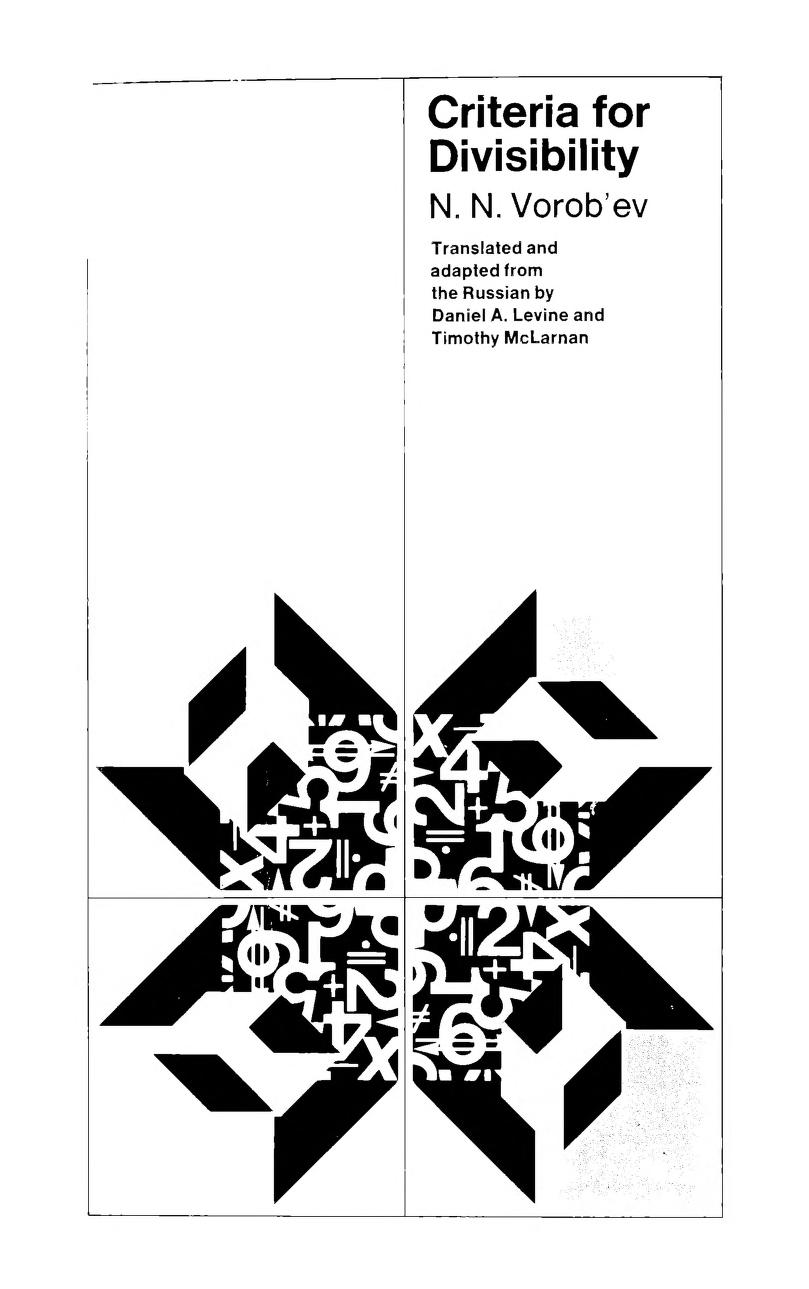
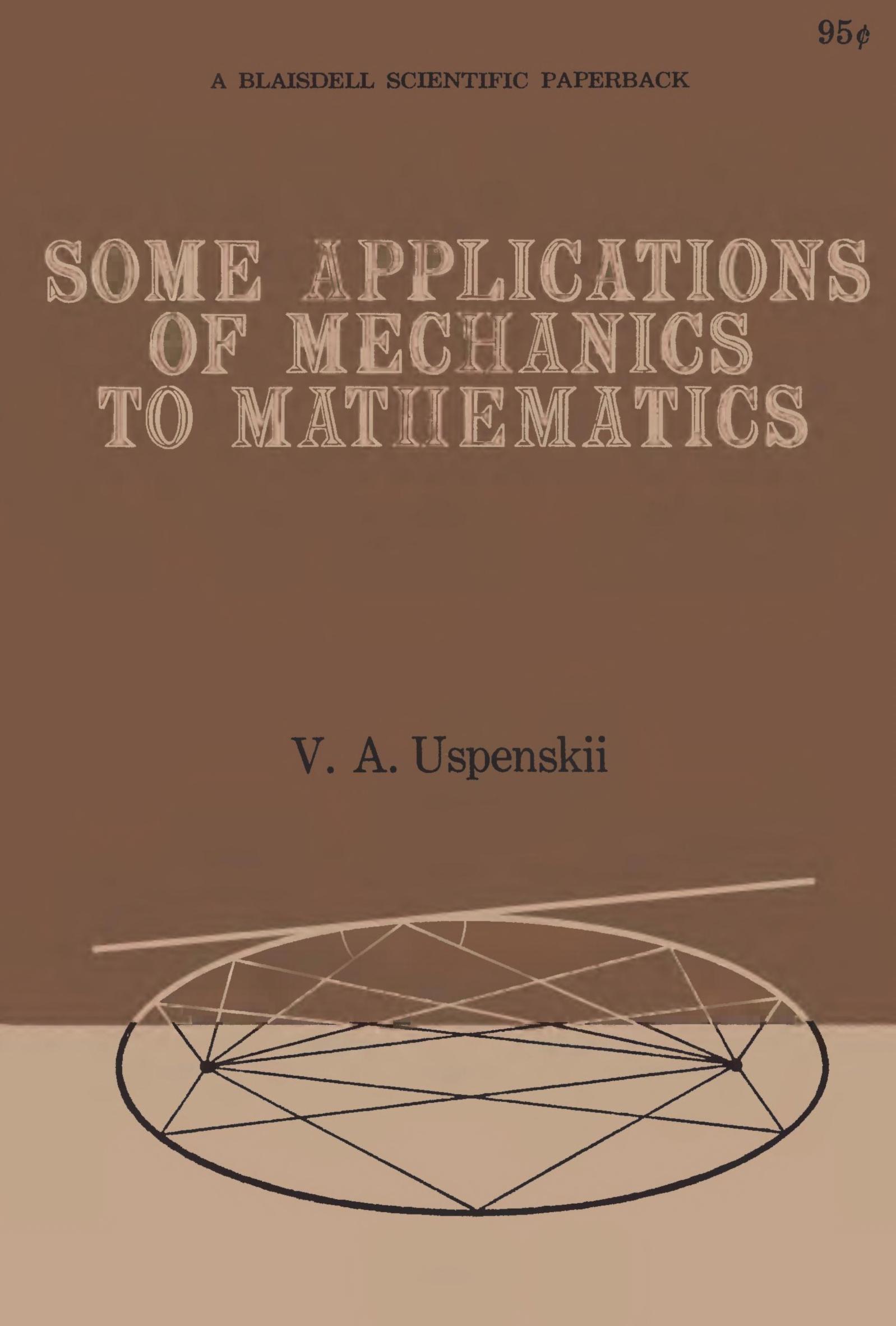
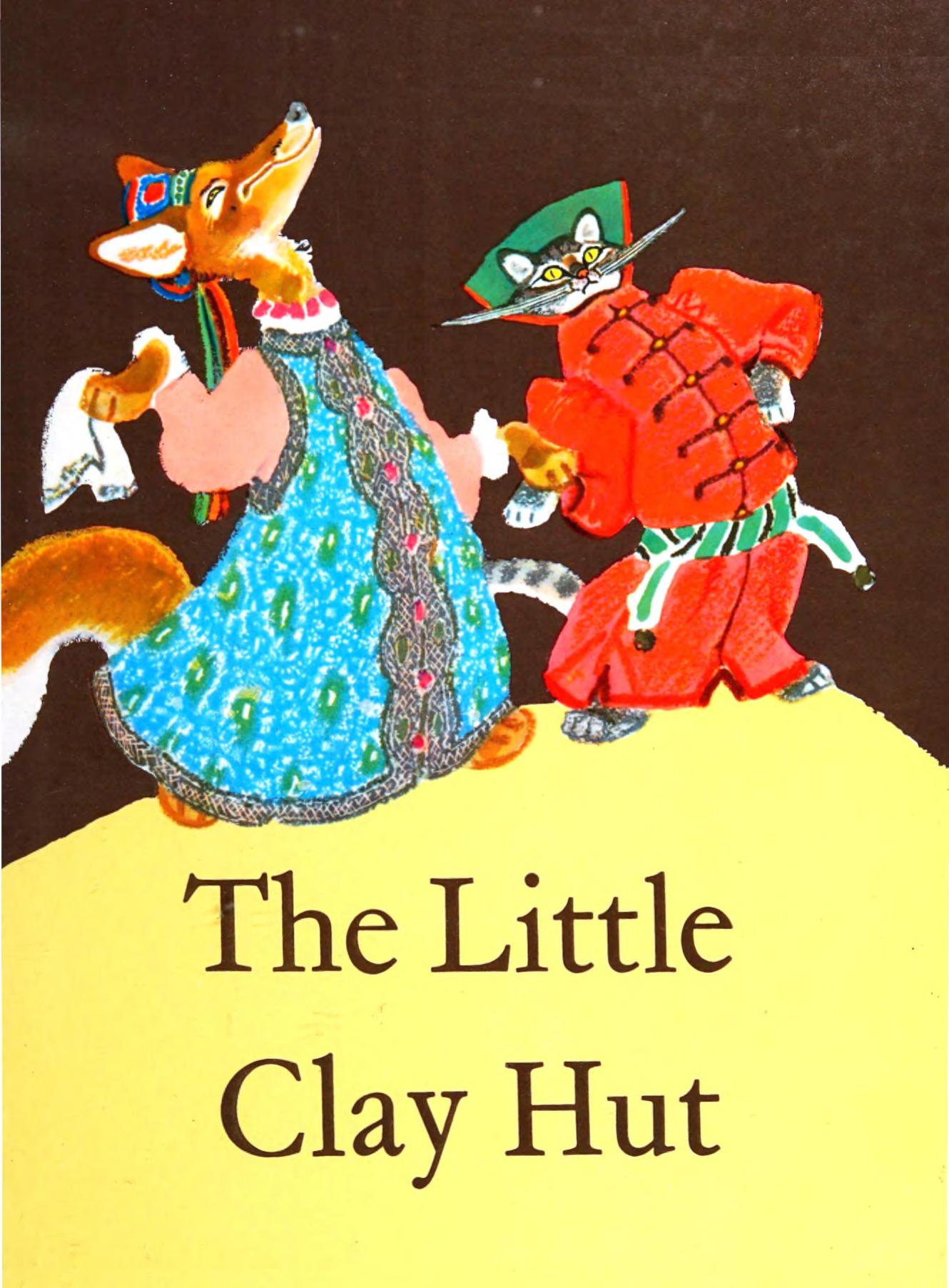
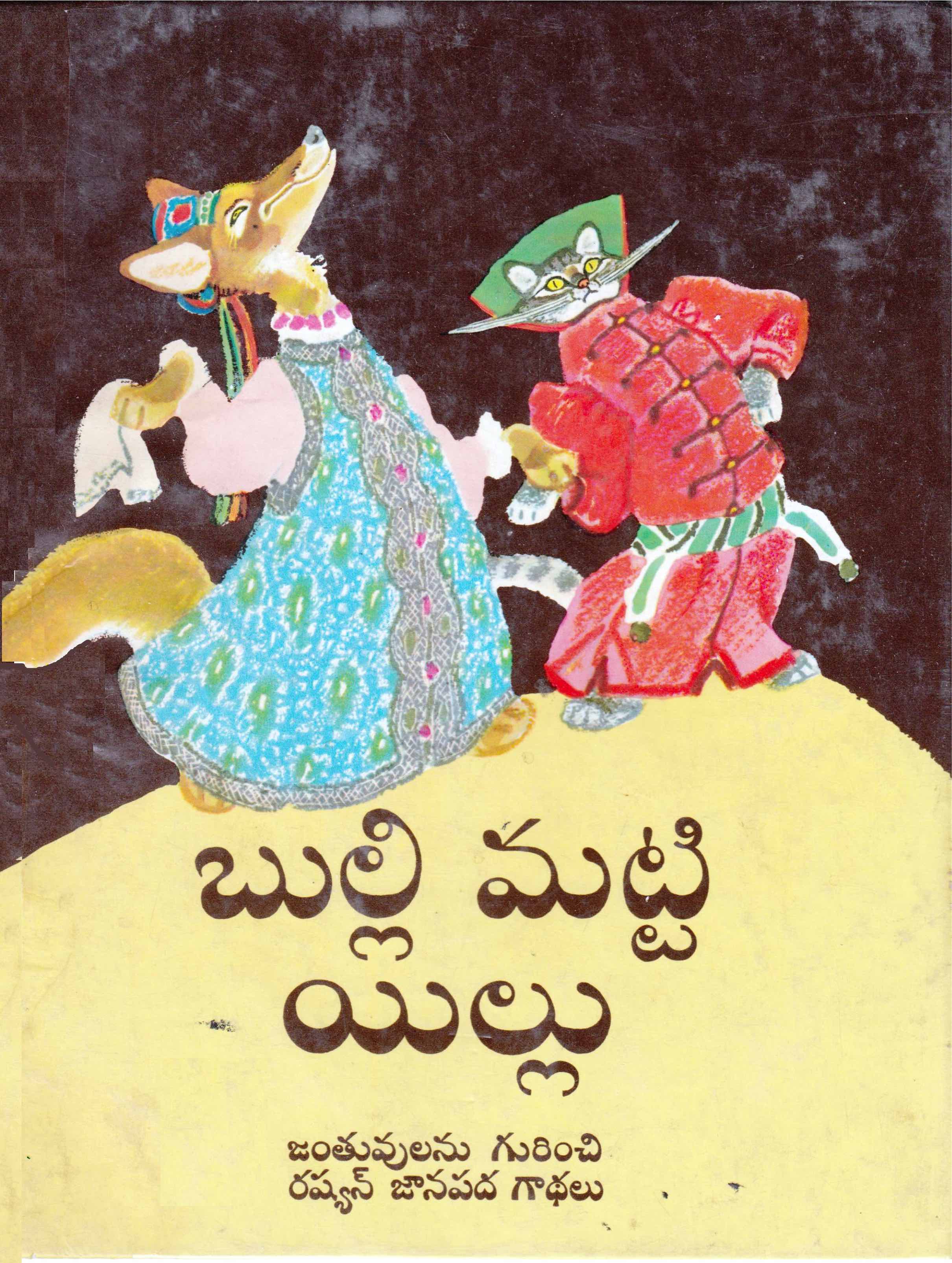
In the Little Mathematics Library series we will see a Persian version of the book Remarkable Curves, by A. I. Markushevich.
This book has been written mainly for high school students, but it will also be helpful to anyone studying on their own whose mathematical education is confined to high school mathematics. The book is based on a lecture I gave to Moscow schoolchildren of grades 7 and 8 (13 and 14 years old).
In preparing the lecture for publication I expanded the material,while at the same time trying not to make the treatment any less accessible. The most substantial addition is Section 13 on the ellipse, hyperbola and parabola viewed as conic sections.
For the sake of brevity most of the results on curves are given with-
out proof, although in many cases their proofs could have been given
in a form that readers could understand.
The book was translated to Persian by S. Valeri and was first published by Mir in 1983.
In this post, we will see the book A Bookful of Beasts by Vladimir Mayakovsky.
About the book
The book is a picture book that describes various animals like elephants, llamas, giraffes, penguins, monkeys, camels, crocodiles, zebras, pelicans, bison, ostriches, elks. The simple but fabulous illustrations are something that will make anyone like them.
English version: The book was translated from the Russian by Avril Pyman and illustrations are by N. Charushin, published by Progress in 1978. Note: the English version has highly saturated colours with a bluish tinge over all the images.
Telugu version: Titled పుస్తకం నిండా జంతువులే! (Pustakam Ninda Janthuvule!), translated by ?? published by Progress in 1982.
Do let us know if there are any other languages in which this book is available.
In this post, we will see the book What the Bat Told Us by Boris Zubkov.
About the book
The book describes physiology and adaptations in animals which have inspired human inventions. There is a term for these innovations called as Biomimetics. The book introduces these themes in a manner which makes it interesting. Technologies and tools such as the battering ram, bridges, parachutes, axes, wings, radars, thermal imaging, etc. are discussed with their natural counterparts.
The book was translated from the Russian by Eleanor Yankowskaya and the illustrations are by B. Kyshtymov. The book was published by Malysh in 1981.
In this post, we will see the book Whose is the Sun? by Yuri Averenkov.
About the book
The book narrates the story of a pup and a chick who start to play and end up as friends. As in many of the children’s books, there are very beautiful paintings illustrating the story.
The book was translated from the Russian by Irina Zheleznova and drawings are by Valentin Andrievich. Translated from the Russian by. The book was first published in 1973 and republished in 1980 by Progress and in 1985 by Progress.
In this post, we will see the book Alice by Yulina Drunina.
About the book
The book is a story about how a steppe-fox, a corsak, finds its way to the author’s home from a pet market along with a famished Altsasian her daughter has kept an eye for from a few weeks. They name the fox Alice and the dog Dossy. The story is an emotional roller-coster about life with Alice who is adjusting to home (making it her territory) and humans in it, along with the dog Dossy.
Generally there was much of the monkey in Alice’s character. She just could not resist the urge to wreak havoc-tear up, break, gnaw things.
Fox in a dog market!
When she is sick she is given prescription with the name Alice Drunina, a vixen.
Taking Alice Drunina, a vixen to a vet.
The bigger problem arises when she has to be fed pills (as an owner of a stubborn dog I know how difficult this can be!). Anyways, she recovers with a series of injections, which her husband volunteers to give. The firm sign of recovery is that she starts to make a mess again.
It took Alice a very short time to become transformed from a miserable little beast shivering from fear and cold at the Bird Market into the idol of our household, worshipped by our entire family.
(If you are a pet owner, you will surely relate to this…)
Alice was not friendly to everyone, Alyona defending herself with a broom.
The family in the summer rents a country home and moves with pets in there. Here Dossy and Alice play nicely with each other.
Alice and Dossy, best friends.
But Dossy becomes infrequent visitor and when he comes back Alice does not welcome him. Once while going on a walk with Alice they are attacked by a Russian shepherd dog. Alice distracts him so that the author can get away safely.
The author has doubts if she will see Alice again after this, but she is found silently resting on her pen when she arrives back at home.
“What are you on about? I merely acted as any self-respecting fox would. In our steppes and deserts we don’t abandon our friends in trouble.”
I will stop here, read the rest of the story, will you?
The book was translated from the Russian by Raissa Borbova and the fantastic drawings are by Veniamin Kostitsyn and was published by Raduga in 1986.
In this post, we will see the book The Green Island by Victor Datskevich.
About the book
In the book, a father and son (Vadik) explore botanical gardens of Moscow. The book is a nice introduction to nature watch for children which answers many inquisitive questions they may have. The book is full of colour photographs of flora and fauna that they discover.
The book was translated from the Russian to English by Jan Butler, the photographs in the book are by the author and was published by Progress in 1980. Drawings are by V. levin sohn(or son) Telugu translation is by R. V. R (thanks to @var for translation, see the comment below). We also have a link for the Telugu version of the book published by Raduga/Visalandhra Publishers, who republished many of the titles in Telugu.
Do let us know if there are any other translations of this book.
In this post, we will see the book How Baby Elephant Learnt to Danceby Yuri Yarmish.
About the book
This is a children’s book that tells the tale of a baby elephant who wants to dance after listening to nice music from a ballet school. He tries to copy other animals but is not successful. Afterwards, he is taken to a circus and gets his own show and is loved and appreciated by everyone!
The gorgeous illustrations are by Irina Mishyna. The book was translated from the Ukranian by Lilia Titar and was published by Dnipro Publishers in 1976.
In this post, we will see the book Geology in Pictures by Anatoli Chlenov.
About the book
This book tells children about geology which literally means the study of the Earth, about people who search for minerals, and many other things.
The book follows question and answer format about various aspects of geology: its scope, contents, methods and its mysteries. Questions are answered in a way that will make the readers want to know more. There are lavish two-page colour illustrations for every section.
But I am in love with crayon monochrome drawings (which are also part of the colour spreads):
I wish I was able to draw something like this!
The book is a part of Discovery series of books meant for young children.
We might see other books in this series in the future.
The book was translated from the Russian by Graham Whittaker and gorgeous illustrations are by Andrei Platonov. The book was published in 1990 by Raduga, perhaps one of the last ones to get published, also has an ISBN number: 505002496X.
People in the mountains 7
Geology? What is it? 7
Look around… 10
2. The Earth’s storehouses
What are mineral deposits? 14
What colour is coal? 14
Let me tell you about cement 18
Black gold 18
Water, water, everywhere 22
The sun-stone 26
3. The science of the Earth
The secrets of our planet 30
How was our planet formed? 34
Where do mountains, seas and plains come from? 38
The Earth’s great masters 42
How they work 42
Underground cities 46
4. How geologists work
Mysterious traces 50
How oil was found 50
Where did you find these flowers? 54
Attention! Detonate! 54
Journey into the depths of the Earth 55
The scout in the sky 58
In this post, we will see A picture book of astronomy by Boris Levin and Lidia Radlova.
About the book
The book has several topics in basic astronomy in the form of questions and answers (total 16). Each question is answered at a level that can be understood by children and illustrated gorgeously.
The book was translated from the Russian by Tracy Kuehn, and the wonderful drawings are by Elizaveta Radlova and was published by Raduga in 1988.
In this post, we will see the book Beautiful Vasilisa: Russian Fairy Tales. Vasilisa the Beautiful is a well known Russian folktale.
About the book
The book is a collection of sixteen fairy tales from Russia. They include stories of Tsars, Princesses, witches, boys, girls, various animals, and magical creatures. There are several fabulous illustrations to go with the stories. Along with the story of Vasilisa, there are 15 other tales in the book.
Baba Yaga is here (not the John Wick one though;)!
The book was edited by Irina Zheleznova and was designed by Vladimir Minayev. The book was published by RAduga first in 1966, with four reprints in the subsequent years: 1974, 1981 and 1984. Different stories were translated by various translators as given in the contents.
The book was translated in Hindi and Marathi, at least what I know of. Since it was a popular title it might have been translated into more Indian languages. Please do let us know if you know/have translations in any other languages.
Note: There is a bad scan of the Hindi version on the archive, which we have cleaned and added back (the link above), with a lot of effort and time. It took much longer to clean it than anticipated, yet the results are not that good or satisfactory. I thought of abandoning the cleaning midway several times, but since no other scan was available, it was indeed cleaned.
It is an appeal to people who scan books, to take some time and effort to scan them, (preferably using flatbed scanners) otherwise, it doesn’t do anyone any good. If you are taking photos with a camera make sure that noticeable warp is not there. Perhaps when one gets the physical copy of the book we will update this one, or if you have the book please scan and post the link.
There is also a Soviet-era cartoon film (in Russian, 1977) with the title Vasilisa Prekrasnaya (Vasilia the Beautiful) though this corresponds to story The Frog Tsarvena (Tsarevna Lyagushka) in the book. The visuals are amazing…
Another Soviet era (1939) BW film I found with the title Vasilisa Prekrasnaya (Vasilia the Beautiful) again this corresponds to story The Frog Tsarvena (Tsarevna Lyagushka) in the book.
Contents
VASILISA THE BEAUTIFUL. Translated by Irina Zheleznova 5
TSAREVICH IVAN AND GREY WOLF. Translated by Bernard Isaacs 20
THE TWO IVANS. Translated by Irina Zheleznova 33
FENIST THE FALCON. Translated by Dorian Rottenberg 43
SISTER ALYONUSHKA AND BROTHER IVANUSHKA. Translated by Bernard Isaacs 57 CHESTNUT-GREY. Translated by Irina Zheleznova 63
FATHER FROST Translated by Irina Zheleznova 74
GO I KNOW NOT WHERE, FETCH I KNOW NOT WHAT. Translated by Bernard Isaacs 79 LITTLE GIRL AND THE SWAN-GEESE. Translated by Bernard Isaacs 109
THE SILVER SAUCER AND THE ROSY-CHEEKED APPLE. Translated by Irina Zheleznova 115
BY THE WILL OF THE PIKE. Translated by Irina Zheleznova 124
THE FROG TSAREVNA. Translated by Irina Zheleznova 135
WEE LITTLE HAVROSHECHKA. Translated by Irina Zheleznova 147
MARYA MOREVNA THE LOVELY TSAREVNA. Translated by Irina Zheleznova 152
IVAN-YOUNG OF YEARS, OLD OF WISDOM. Translated by Dorian Rottenberg 169
THE SEVEN SIMEONS-SEVEN BRAVE WORKINGMEN. Translated by Irina Zheleznova 201
There are trackers on the site apart from Wordpress Stats. If you don't know what trackers are, or wish not to be tracked go here http://donttrack.us to get tools which allow you to do so.