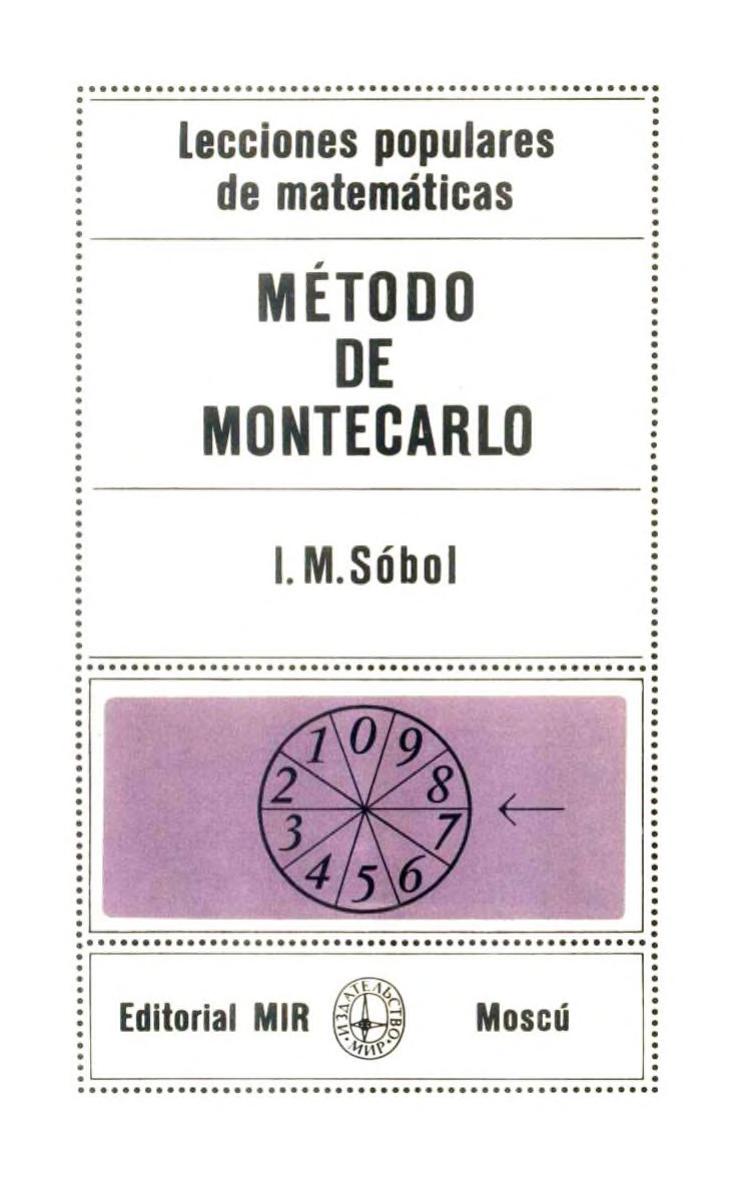
Método De Monte Carlo ( Lecciones Populares De Matemáticas) by I. M. Sóbol


Todos habían usado en algún momento las palabras probabilidad
y variable aleatoria. La idea intuitiva de la probabilidad (considerada como frecuencia) corresponde más o menos al verdadero significado de este concepto. Pero, por regla general, la idea intuitiva de la variable aleatoria difiere considerablemente de la definición matemática. Por lo tanto, la noción de la probabilidad se supone conocida en la Sección 2, y solo se aclara la noción más complicada de la variable aleatoria. Esta sección no puede reemplazar un curso en la probabilidad teoría: se simplifica la presentación y se omiten las pruebas. Pero todavía presenta cierto concepto de las variables aleatorias suficientes para la comprensión de las técnicas de Monte Carlo.

El objetivo básico de este libro es incitar a los especialistas en diversas ramas del conocimiento al hecho de que existen problemas en sus campos que pueden resolverse mediante el método de Monte Carlo.

El objetivo principal de este libro es sugerir a los especialistas de las más diversas ramas la idea de que en el campo de sus actividades existen problemas que se pueden resolver por el método de Montecarlo. El Método de Montecarlo es un método numérico que permite resolver problemas matemáticos mediante la simulación de variables aleatorias.

Créditos al cargador original.

Consigue el libro aquí y aquí

Contenido:

Prefacio
Capítulo 1. Simulación de variables aleatórias
1. Generalidades del método
2. Variables aleatórias
3. Obtención de variables aleatórias en la MCE
4. Transformaciones de variables aleatórias
Capítulo 2. Ejemplos de aplicación del método de Montecarlo
5. Análisis de un sistema de servicios
6. Análisis de calidad
7. Análisis del paso de neutronas a través de un placa
8. Cálculo de la integral definida
Apéndice
9. Demonstración de algunas proposiciones
10. Sobre los números seudoaleatórios
Tablas
Literatura


Posted in books | Tagged , , , , , , , , , , , , , | Leave a comment

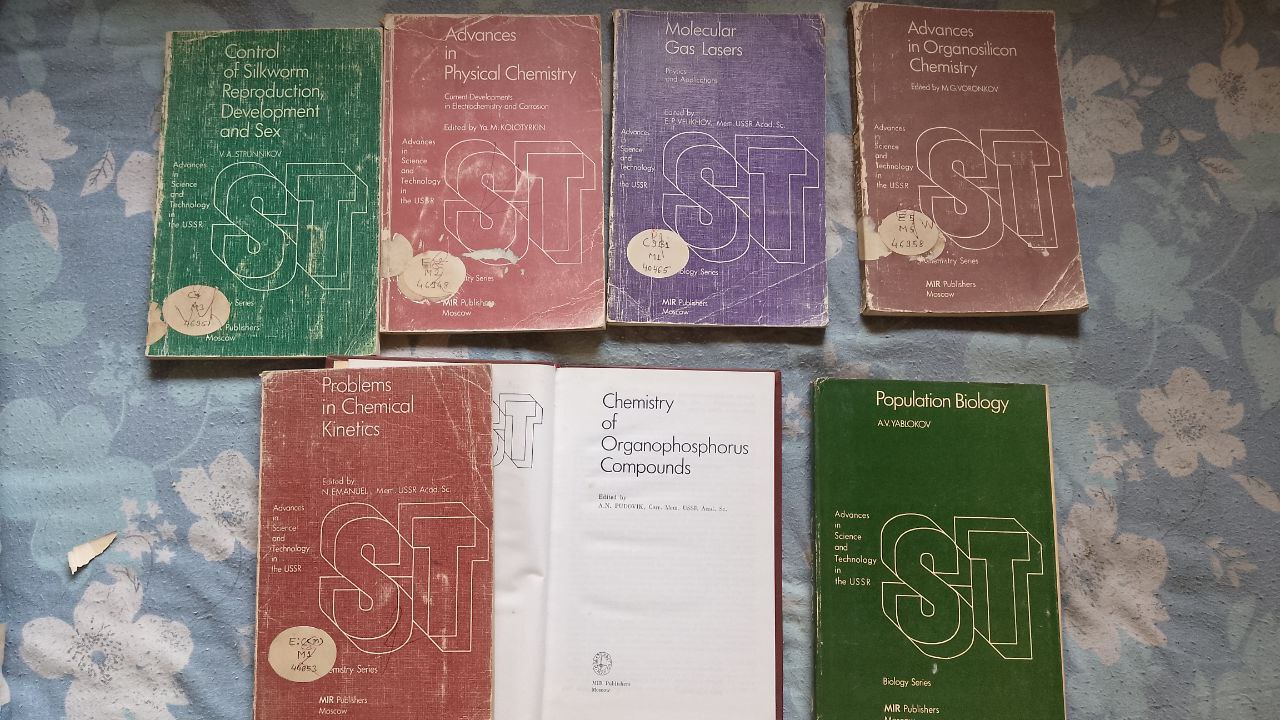
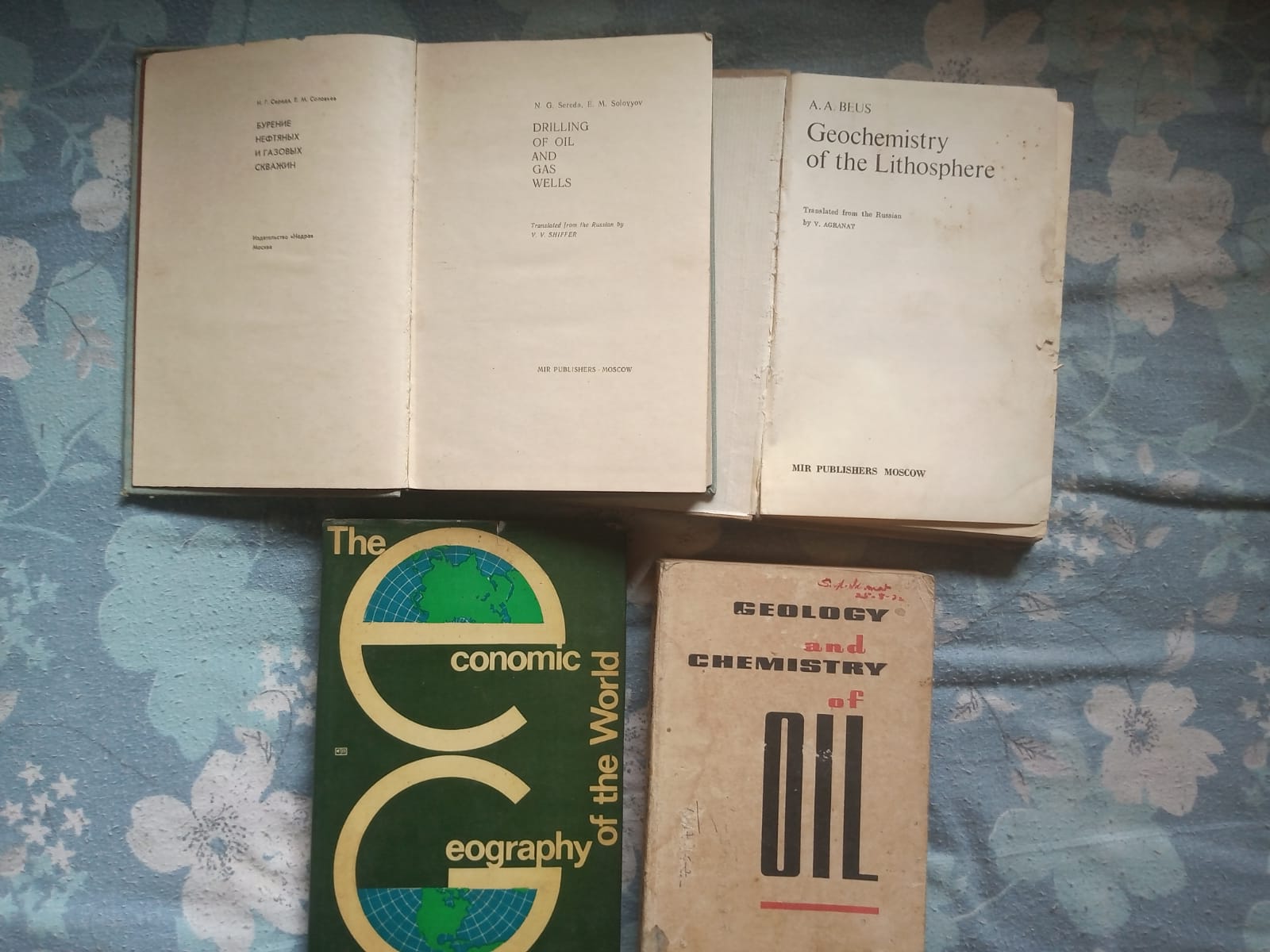
Some recent acquisitions part 11

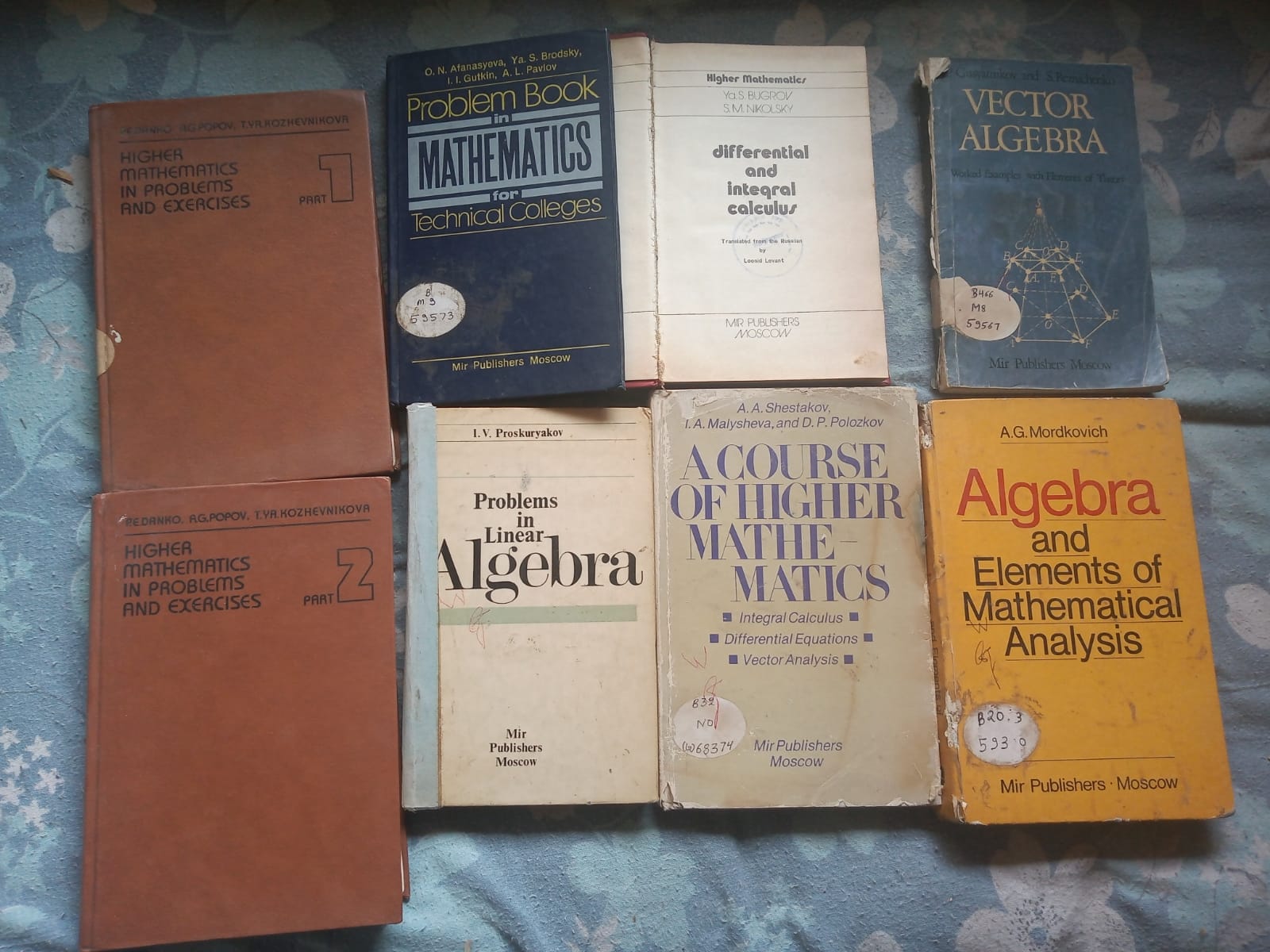
Many, many thanks to Takshila Education Society for sponsoring the purchase of these books.

100+ more incoming

If you would like sponsor some books drop us a line at mirtitles at the rate gmail dot com.


Posted in books | Tagged | Leave a comment

El Método De Coordenadas por I. Gelfand; E. Glagolieva; A. Kirillov

En este opúsculo se expone, en forma muy didáctica, el sistema de coordenadas de un punto en una recta, en un plano o en el espacio como una preparación para lo medular de él: introducir el espacio de dimensiones y una serie de aplicaciones. Sólo se requieren los conocimientos a nivel de Enseñanza Media y una fuerte disposición para estudiarlo con atención.

Créditos al cargador original.

Consigue el libro aquí y aquí

Contenido:

Prólogo
Introducción
Capitulo 1
1. Las coordenadas del punto en la recta
2. Las coordenadas del punto en el plano
3. Las coordenadas del punto en el espacio
Capitulo 2
1. Introducción
2. El espacio de cuatro dimensiones
3. El cubo de cuatro dimensiones


Posted in books | Tagged , , , , , | Leave a comment

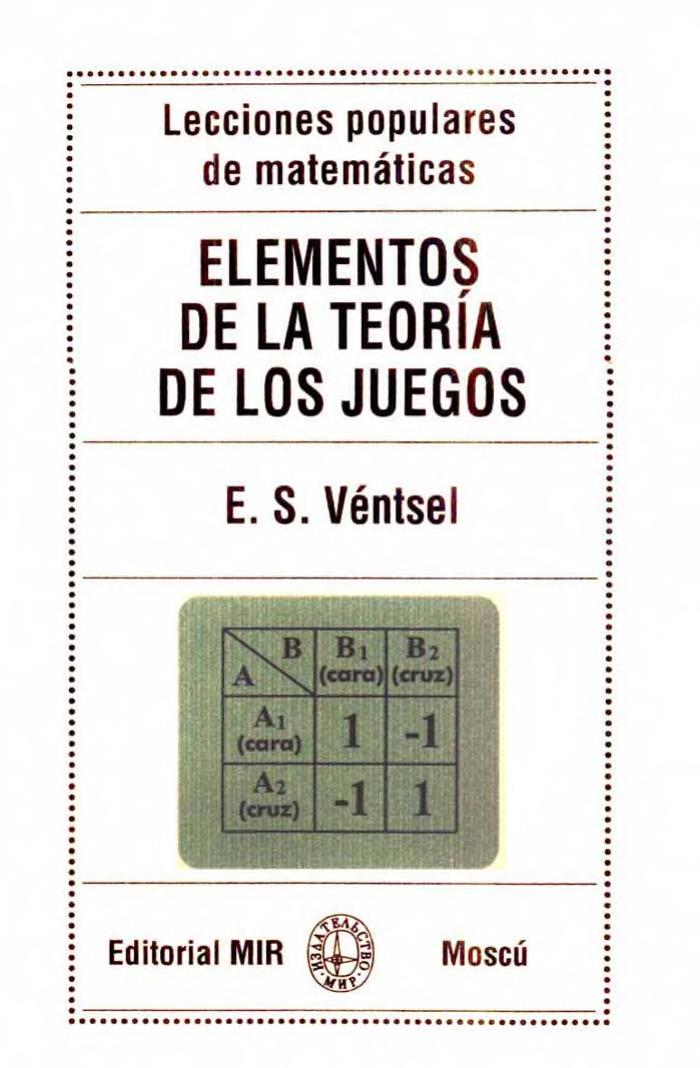
Elementos De La Teoria De Los Juegos ( Lecciones Populares De Matemáticas) por E. S. Véntsel

Trata de los elementos de la teoría de los juegos y de ciertos procedimientos de resolución de juegos de matrices. Casi no contiene demostraciones y las tesis básicas de la teoría se ilustran con ejemplos. Para su lectura es suficiente elconocimiento de los elementos de la teoría de las probabilidades y del análisis matemático.
El objetivo del libro es la divulgación de las ideas de la teoría delos juegos, las cuales tienen amplia utilización práctica en la economía y en el arte militar.

Créditos al cargador original.

Consigue el libro aquí y aquí

Contenido:

1. Que estudia la teoria de los juegos. Nociones basicas
2. Valor inferior y superior del juego. Principio del “min – max”
3. Estrategias puras y mixtas. Solución de juegos con estrategias mixtas
4. Métodos elementares de resolución de juegos. Juegos de 2×2 y de 2xn
5. Métodos generales de resolución de juegos finitos
6. Métodos aproximados de resolución de juegos
7. Métodos de resolución de ciertos juegos infinitos


Posted in books | Tagged , | Leave a comment

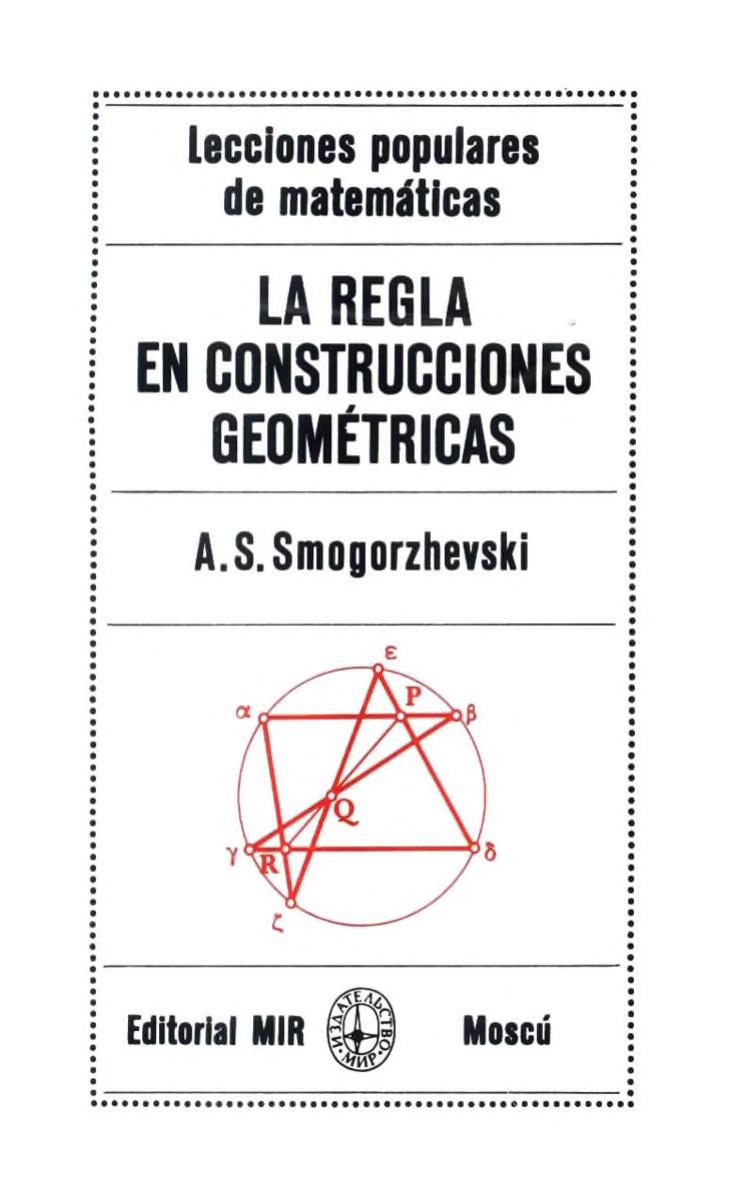
La Regla En Construcciones Geométricas (Lecciones Populares De Matemáticas) por A. S. Smogorzhevski

El estudio de las construcciones realizadas con una sola regla fue provocado por el desarrollo de la teoría de la perspectiva, así como por la necesidad de efectuar las construcciones en extensos sectores de la superficie terrestre, donde la aplicación del compás con gran apertura es técnicamente imposible de efectuar, mientras que el trazado de las líneas rectas se logra fácilmente, clavando los jalones.

Contenido:

Prefacio
Capítulo I. Algunos teoremas de geometría sintética
Capítulo II. Construcciones geométricas con ayuda de una regla

Créditos al cargador original.

Consigue el libro aquí y aquí

Posted in books | Tagged , , | 2 Comments

Acerca De La Demostración En Geometría ( Lecciones Populares De Matemáticas) por A. I. Fetísov


El objetivo de este librito es ayudar a los alumnos a comprender las siguientes interrogantes: ¿Qué es una demostración? ¿Para qué hace falta la demostración? ¿Cómo debe ser la demostración? ¿Qué puede admitirse en geometría sin demonstración?

Traducido del ruso por el Ingeniero Antonio Molina García

Créditos a los usuarios originales .

Consigue el libro aquí y aquí

Contenido:

Introducción
1. ¿Qué es una demostración?
2.¿Para qué hace falta la demostración?
3.¿Cómo debe ser la demostración?
4.¿Qué puede admitirse en geometría sin demonstración?

Posted in books | Tagged , , , , | Leave a comment

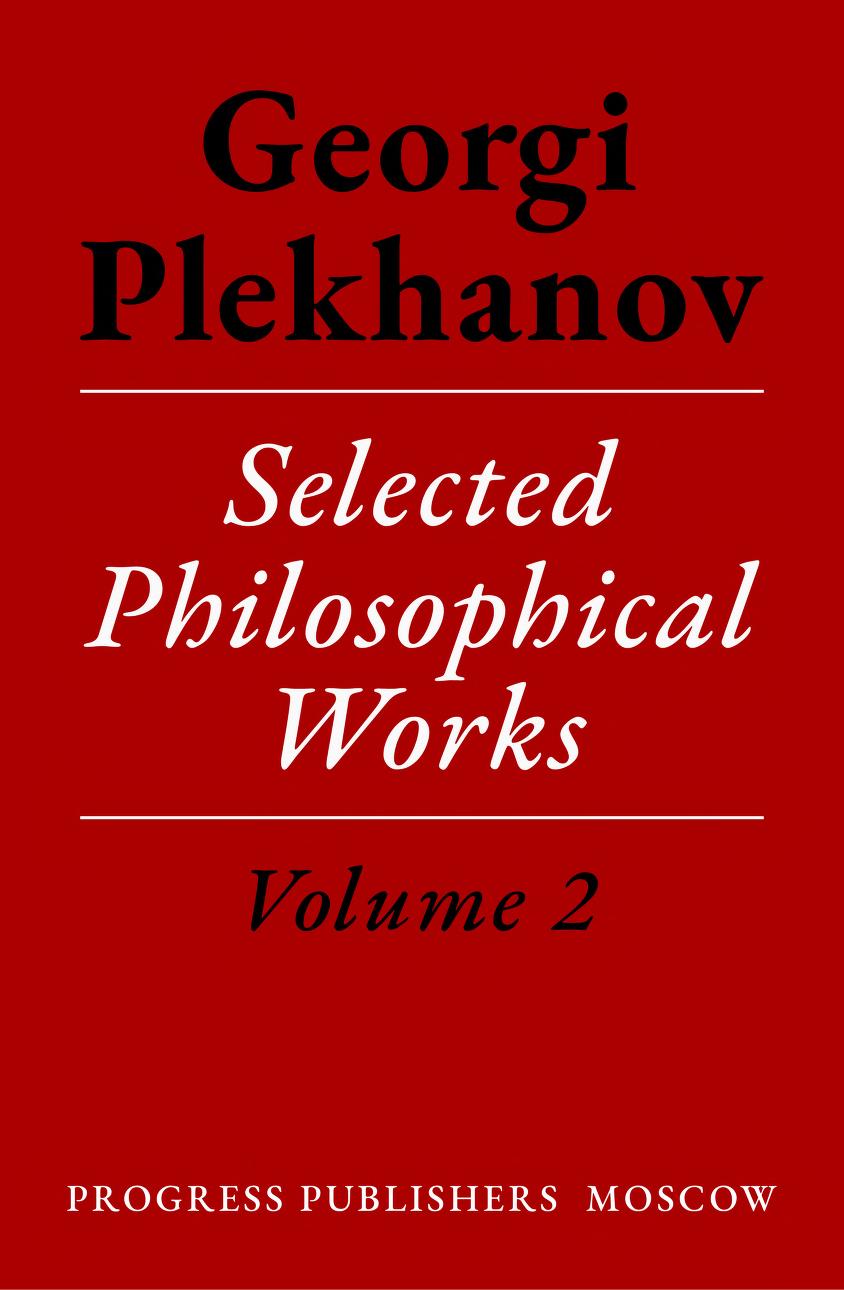
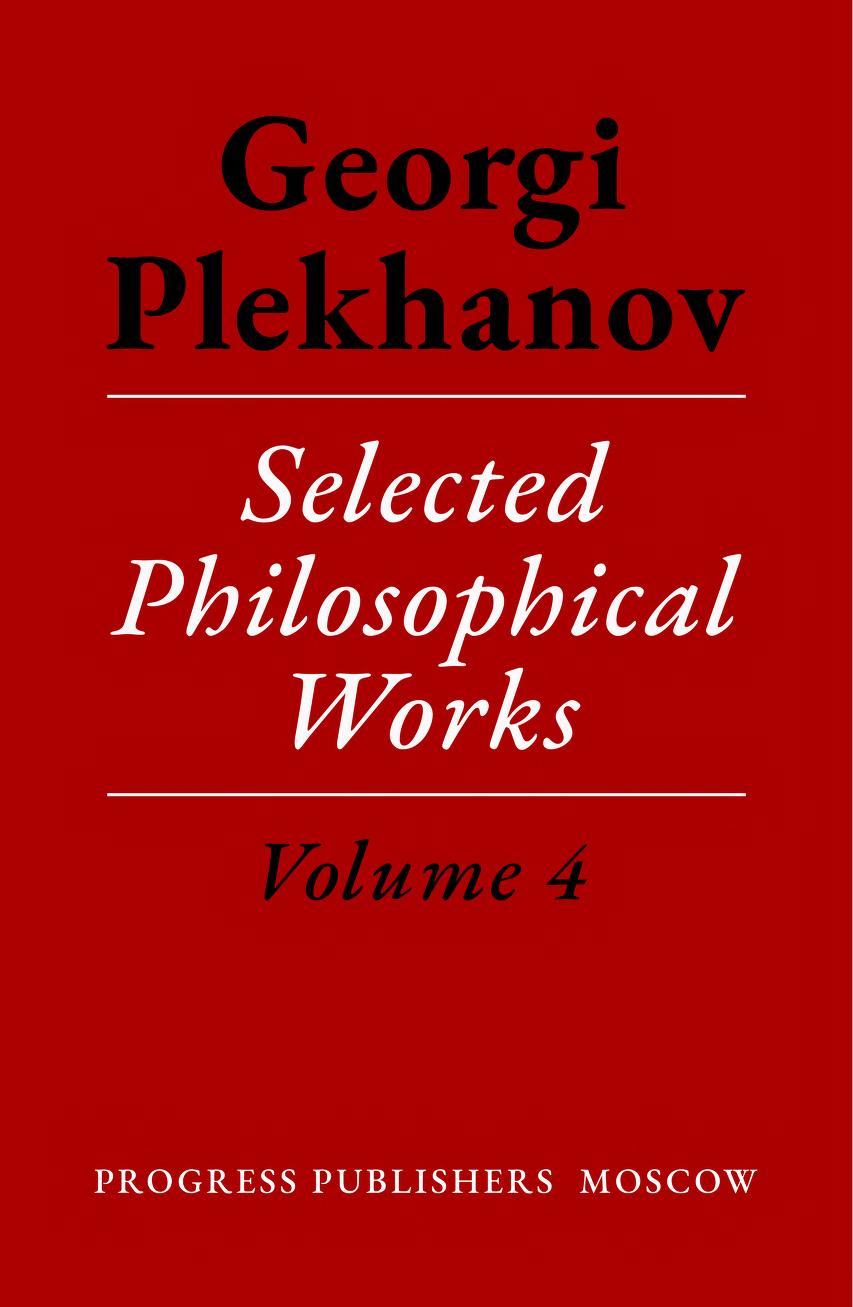
Selected Philosophical Works (Vols. 1-5) by Georgi Plekhanov

This five-volume edition includes the most important and valuable of Plekhanov’s works on philosophy.
The first three volumes contain works written in defence and substantiation of Marxism in the course of the struggle against Narodism, revisionism, and Machism. The fourth volume features Plekhanov’s best works on Russian philosophy and social-political thought, while the fifth volume focuses on works related to literature and art.

The texts have been meticulously checked against extant manuscripts in Russian or other languages, stored in Plekhanov House, the Saltykov-Shchedrin State Public Library in Leningrad, and various publications from the author’s lifetime. Each volume includes an introductory article, factual notes, and name and subject indices.

This publication was prepared by the Institute of Philosophy of the Academy of Sciences of the USSR, in collaboration with Plekhanov House, and edited by M. T. Iovchuk, A. N. Maslin, P. N. Fedoseyev, V. A. Fomina, and B. A. Chagin. The texts and notes were prepared by Y. S. Kots, I. S. Belenky, S. M. Firsova, and B. L. Yakobson.

The translation of The Development of the Monist View of History by Andrew Rothstein was originally published in London (1947) by Lawrence & Wishart. A. Fineberg translated Plekhanov’s preface to the second and third editions, and the article A Few Words to Our Opponents. The remaining works were translated by R. Dixon.

Translated from the Russian
Designed by V. Yeryomin

Credits to the original uploaders.

Volume 1 here

Volume 2 here

Volume 3 here

Volume 4 here

Volume 5 here

Posted in books | Tagged , , , , , , , | Leave a comment

Nuclear Physics And Nuclear Reactors by V. E. Levin

The book is based on the lectures of the author at the Obninsk Polytechnical school. The textbook is divided into two parts, “Nuclear Physics” and “Nuclear Readers”. Part one describes the fundamentals of atomic physics, as well as Hie re of the atomic nucleus and radioactivity, registration and dosimetry of ionizing Radiations, and their Interaction with matter. Methods for accelerating charged particles, the properties of cosmic radiation and the physics at neutrons are also discussed. An introduction to atomic power engineering presented in the second part. The construction, physics and operation pf nuclear reactors, the development and economics of atomic power are also considered. The textbook is intended for students in physics technical schools, for technicians working in physics laboratories or servicing nuclear reactors and other atomic installations.

Translated from the Russian by L. N. Bell

Many thanks to Quantum AI for the original scans.

Get the book here.

CONTENTS

PART ONE
ATOMIC AND NUCLEAR PHYSICS

  1. Atomic Physics
    1.1 Matter and Electricity
    1.2 Probability and Spectra
    1.3 Mass and Energy
    1.4 Electromagnetic Radiation
    1.5 Structure of the Atom
    1.6 Atomic Spectra

Fundamentals of Quantum Mechanics
2.1 The Subject of Quantum Mechanics
2.2 Quantum States of Electrons in Atoms
2.3 Uncertainty Principle

Atomic Nucleus
3.1 Properties of the Atomic Nucleus
3.2 Binding Energy of the Nucleus
3.3 Energy Levels of Nuclei
3.4 Nuclear Forces and Stability
3.5 Models of the Nucleus

Radioactivity
4.1 General Properties of Radioactivity
4.2 Radioactive Series
4.3 Law of Radioactive Decay
4.4 Alpha Decay
4.5 Beta Decay
4.6 Internal Conversion and Nuclear Isomerism
4.7 Applications of Radioactive Substances

Interaction Between Ionizing Radiations and Matter
5.1 Particle Flux Density and Intensity of Ionizing Radiation
5.2 Interaction Between Heavy Charged Particles and Matter
5.3 Range of Heavy Particles in Matter
5.4 Interaction Between Beta Particles and Matter
5.5 Interaction Between Electromagnetic Radiation and Matter
5.6 Radiation Doses
5.7 Characteristics of Gamma Radiation Sources
5.8 Calculation of Protective Shields for Point Gamma Sources

Measurement of Ionizing Radiations
6.1 Ionization Methods for Measurement of Radiations
6.2 Volt-Ampere Characteristic of a Gas Discharge
6.3 Ionization Chamber
6.4 Proportional Counters
6.5 Geiger-Muller Counters
6.6 Scintillation Counters
6.7 Semiconductor Detectors
6.8 Other Techniques for Measuring Radiations

Accelerators of Charged Particles
7.1 Applications of Accelerators
7.2 Linear Accelerators
7.3 The Cyclotron and Synchrocyclotron
7.4 Electron Accelerators
7.5 Proton Synchrotron

Nuclear Reactions
8.1 General Definition and Nuclear Reaction Equations
8.2 Laws of Conservation of Energy and Momentum in Nuclear Reactions
8.3 The Compound Nucleus
8.4 Effective Cross Section and Yield of Nuclear Reactions
8.5 Nuclear Reactions Induced by Charged Particles
8.6 Nuclear Reactions at High Energies
8.7 Thermonuclear Reactions
8.8 Transuranic Elements

Cosmic Radiation
9.1 Nature of Cosmic Radiation
9.2 Radiation Belts of the Magnetosphere
9.3 Elementary Particles

Neutron Physics
10.1 Properties of Neutrons
10.2 Neutron Sources
10.3 Neutron Spectrometers
10.4 Neutron-Induced Nuclear Reactions
10.5 Neutron Detection
10.6 General Law of Attenuation of the Neutron Flux Density
10.7 Neutron Diffusion
10.8 Neutron Slowing-Down
10.9 Thermal Neutrons
10.10 Nuclear Fission
10.11 Nuclear Fission Chain Reaction

PART TWO
NUCLEAR REACTORS

Design and Classification of Reactors
11.1 Reactor Design
11.2 How Reactors Are Used
11.3 Homogeneous and Heterogeneous Reactors
11.4 Thermal, Fast, and Intermediate Neutron Reactors
11.5 Classification of Power Reactors by Coolants and Moderators
11.6 Reactor Structural Materials

Reactor Physics
12.1 Neutron Multiplication Factor
12.2 Neutron Flux Density and Leakage
12.3 Parameters of a Critical Bare Reactor
12.4 Reactors with Reflectors

Reactor Operation
13.1 Reactivity and Reactor Period
13.2 Reactivity Temperature Coefficient
13.3 Changes in Nuclear Fuel Composition
13.4 Control Devices of the Safety Control System
13.5 Reactor Start-Up and Shutdown
13.6 Heat Generation and Heat Exchange in Reactors

Atomic Power Engineering
14.1 Development of Atomic Power Engineering
14.2 Atomic Power Economics
14.3 Research and Experimental Reactors
14.4 Graphite-Water Reactors
14.5 Vessel Water-Water Power Reactors (WWPR)
14.6 Fast Neutron Reactors

Appendix

  1. International System of Units (SI)
  2. Fundamental Constants
  3. Physical and Nuclear Properties of Some Elements
  4. Physical Properties of Some Moderators
  5. Half-lives of Some Radioactive Substances
  6. Values of e^(-x) and e^x Functions

Subject Index

Posted in books | Tagged , , , , , , , , | 2 Comments

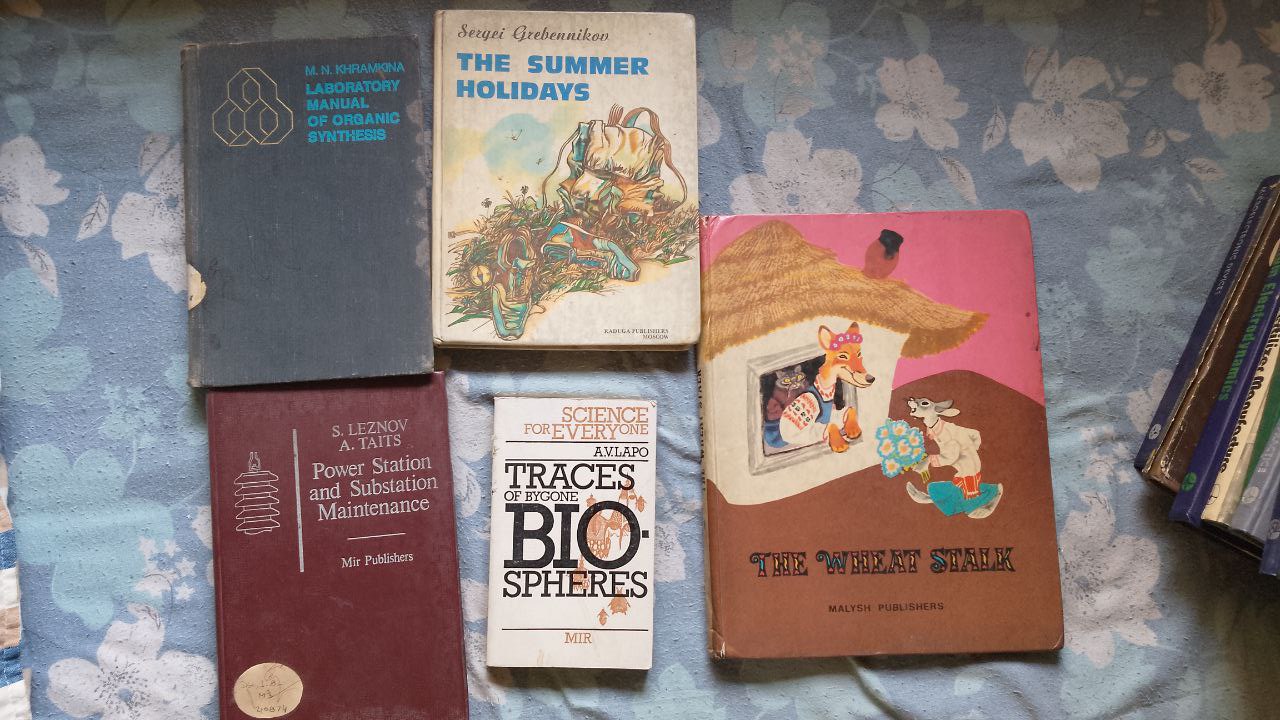
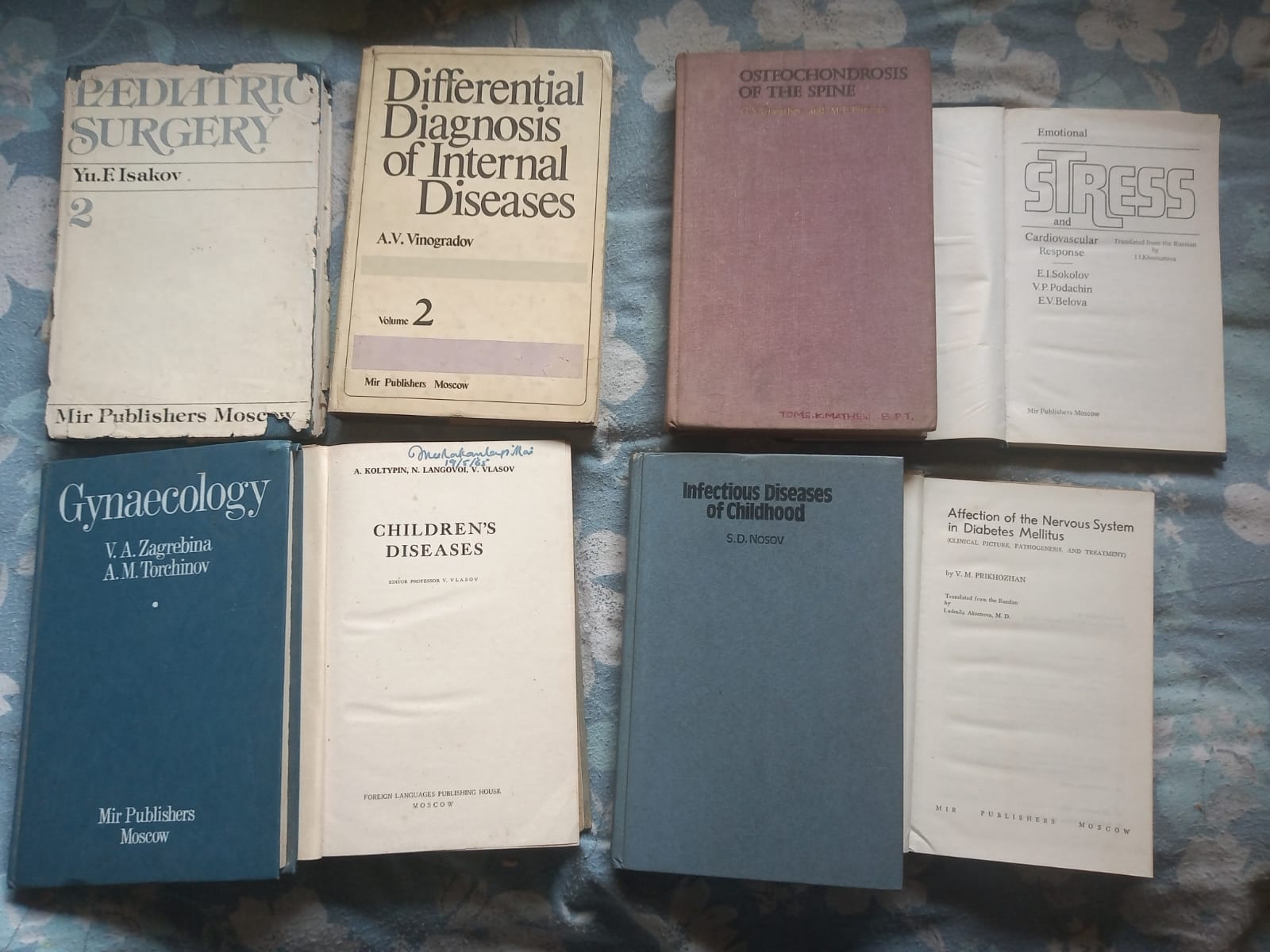
Some recent acquisitions part 10

Many, many thanks to Takshila Education Society for sponsoring the purchase of these books.

If you would like sponsor some books drop us a line at mirtitles at the rate gmail dot com.

Posted in books | Tagged , | 2 Comments

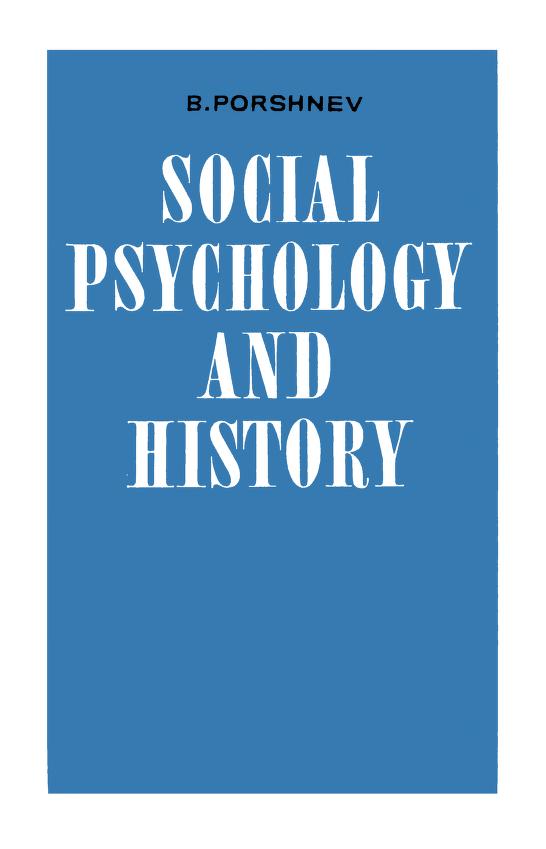
Social Psychology And History by B. Porshnev

Social psychology elaborated by psychologists and historians in relation to the past is a gigantic laboratory to study and check ideas which we need in our contemporary practice. Moulding communist relations and bringing up the new man require not only current observations and recommendations, but also fundamental investigation. Our interest in the fundamentals is also prompted by the complex subjective element in the social struggle in the capitalist countries and the young national states. Those who want a truly Marxist social psychology should bear in mind that the deeper the foundation is laid, the more enduring is the edifice.

It remains for the author to add that he has by-passed the chief trends in contemporary Western social psychology. They are numerous, their ideas and methods are varied. Their common trait is that they are not social in the full sense of the word. Their subject matter is not human societies and communities, but aggregates of individuals.

This book is an exposition of ideas about the author’s attempts to find an altogether different approach.

Translated from the Russian by Ivan Savin
Edited by Vic Schneierson
Designed by M. Shlusberg

Many thanks to Daniel Baker for the original scans.

Note: Some pages are warped.

Get the book here.

Posted in books | Tagged , , , , | Leave a comment