
ScreenshotIn this post, we will see the LaTeX version of a great resource in physics:
A Modern Handbook of Physics by B. M. Yavorksy and A. A. Detlaf.
About the book (From the Preface)
The basic sciences and physics, in particular, are of prime importance today in the training of engineers for the various branches of the national economy. This has led to fundamental changes in recent years in the teaching of physics in engineering institutes, and to the students of other educational institutions in which they do not major in physics. The scope and scientific level of physics courses have been substantially supplemented and cover the main trends in the development of modern physics. Consequently, the physics textbooks for engineering students have inevitably become three-volume editions of almost fifteen hundred pages. The need has arisen, in this connection, for a concise handbook on this subject.
The aim of the authors was to fulfill this need. In scope and depth this handbook includes all of the definitions, formulas and information covered in the most comprehensive and up-to-date physics courses of engineering institutes
and the physics departments of universities and colleges. Physical laws are concisely formulated, all the necessary explanations are given and, in many cases, derivations as well. Though it plays a vital role in the teaching of physics, experimental material has been omitted. This is due only to a lack of space. All the units and symbols comply with the requirements of the SI Units of physical quantities and systems of units are listed and dealt with in a short appendix.
This handbook is designed primarily for engineering students, as well as college and university students studying, but not majoring in physics. It can be used to advantage by engineers and graduate students, as well as by instructors and lecturers of intermediate schools and colleges.
Mathematical knowledge required in using the handbook is within the scope of the ordinary mathematics courses of engineering institutes. The detailed index and the numerous cross references, indicating the chapter, section and subsection, are of aid in finding any required information.
The book was translated from the Russian by Nicholas Weinstein and was published by Mir in 1982.
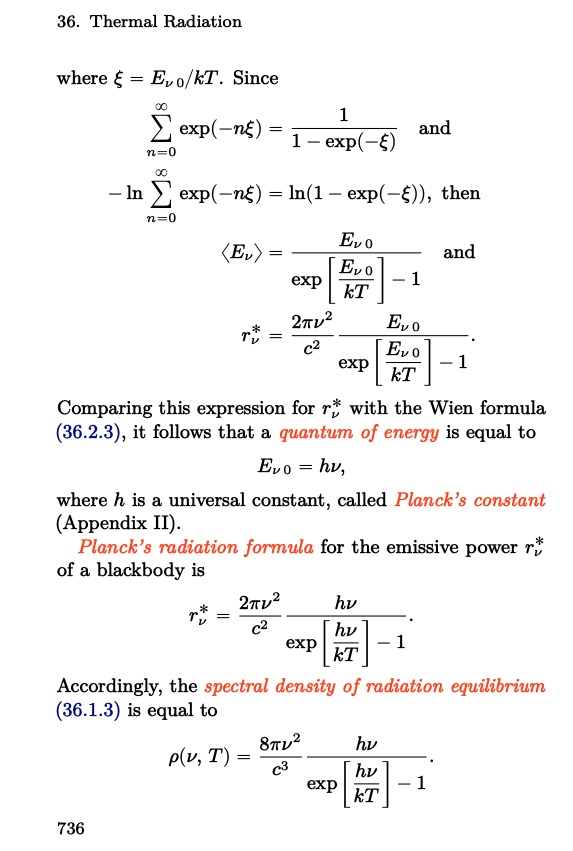
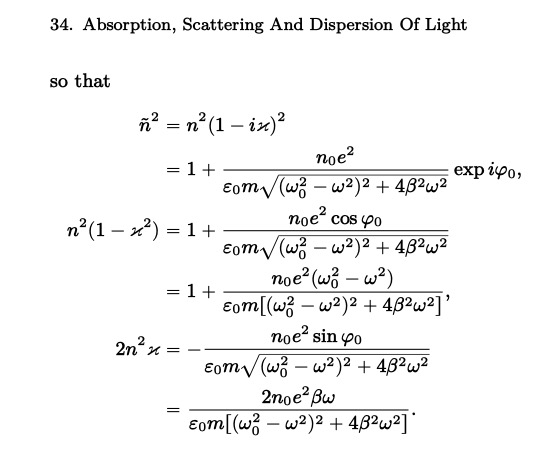
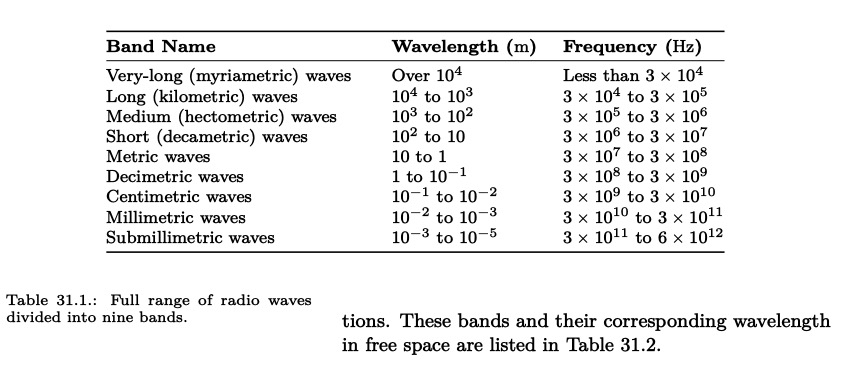
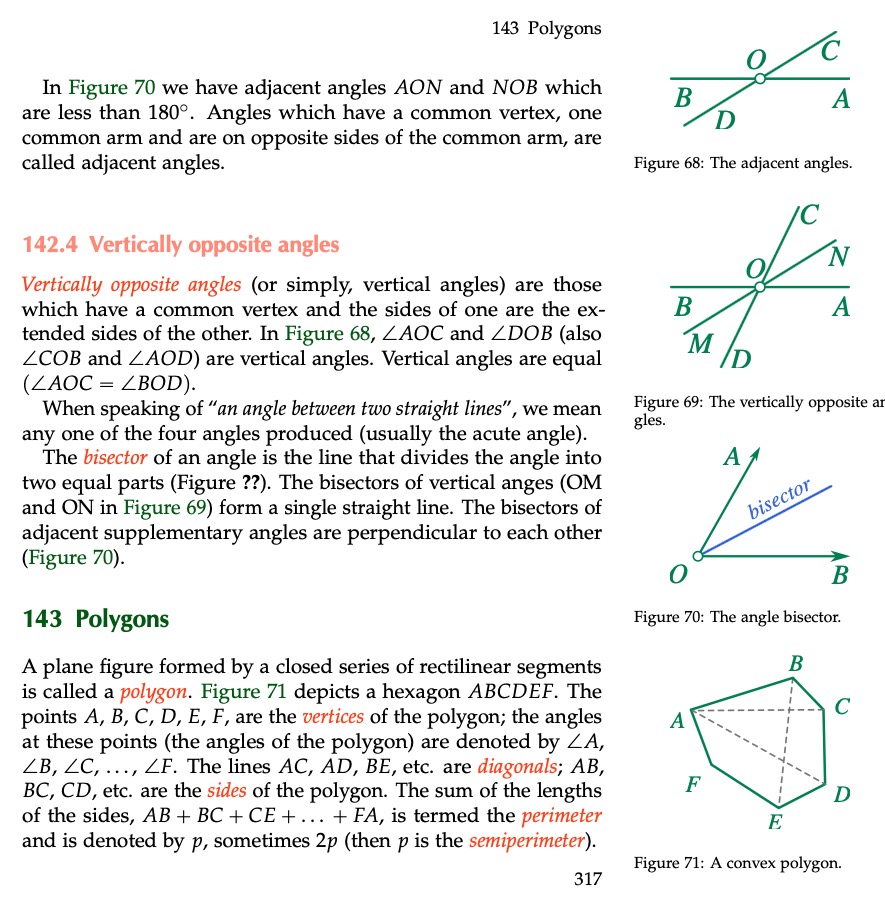
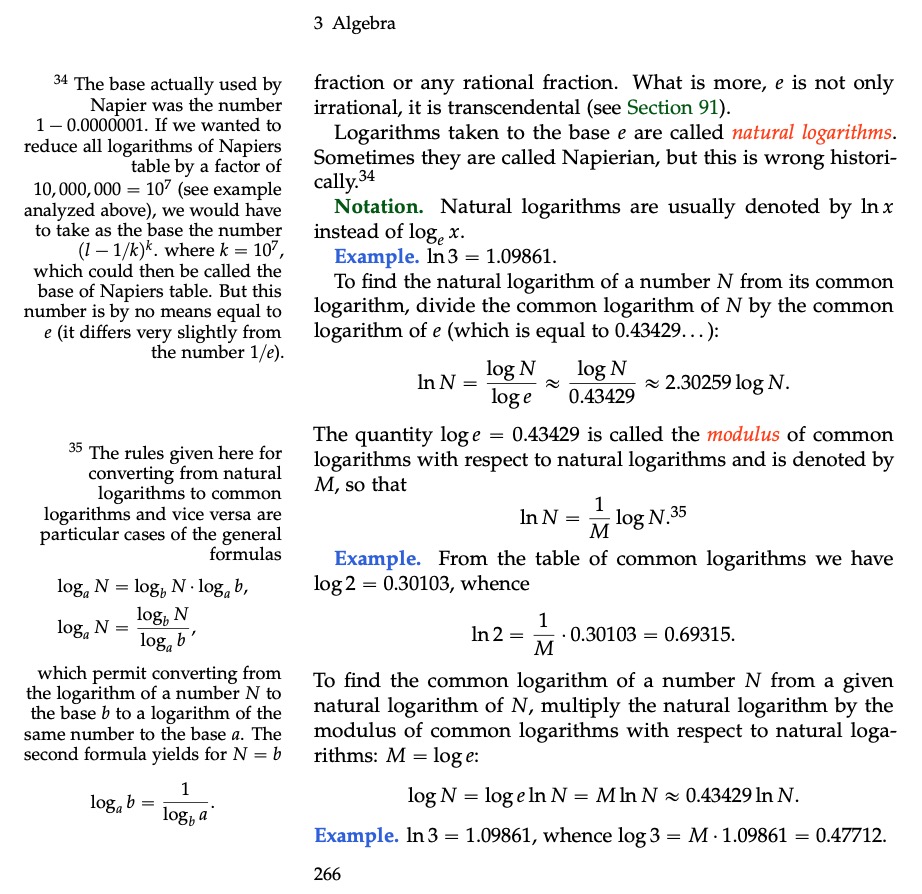
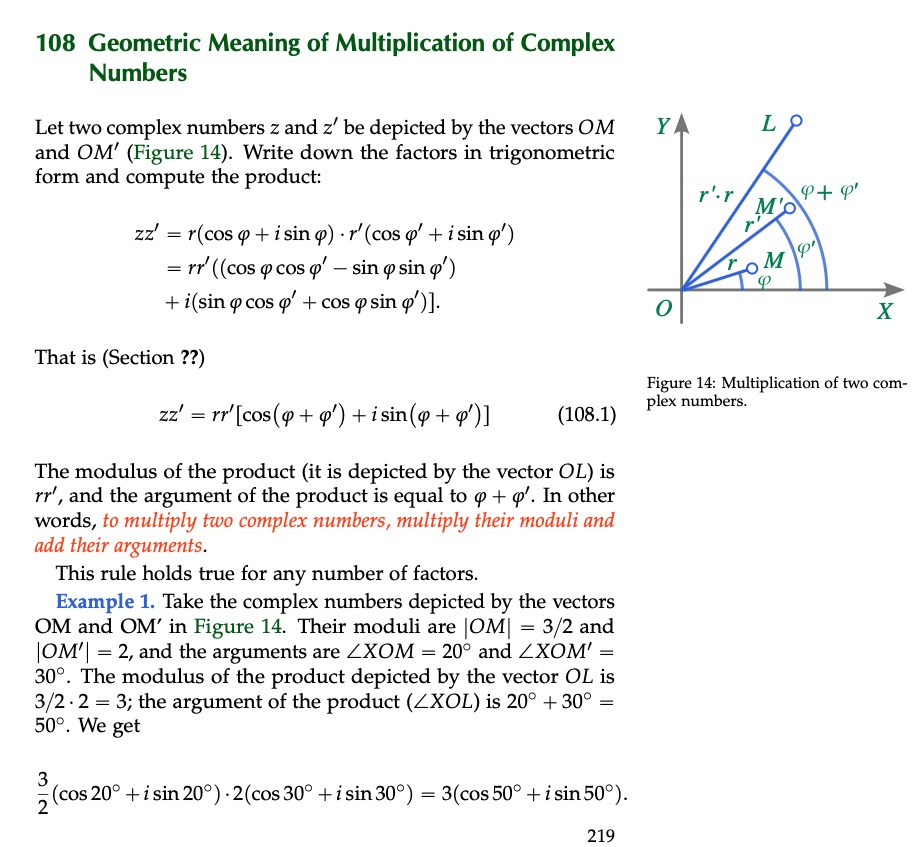
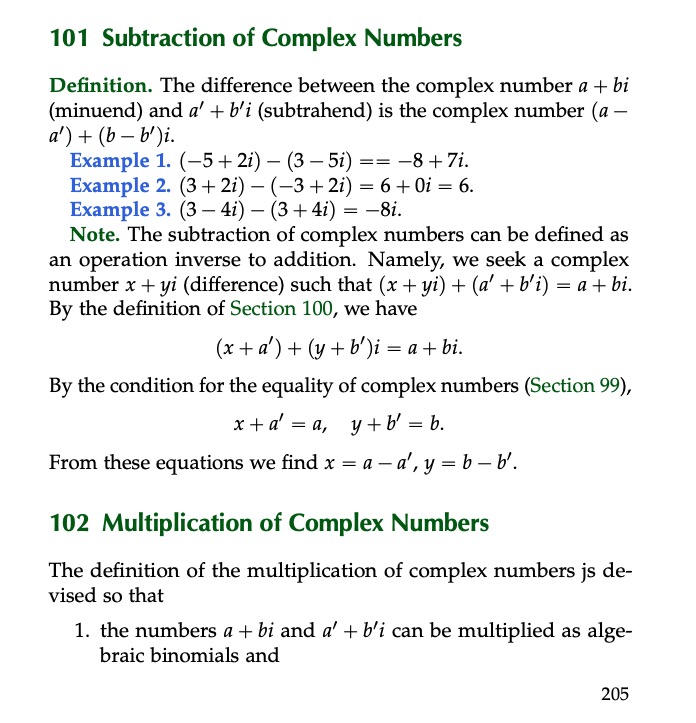
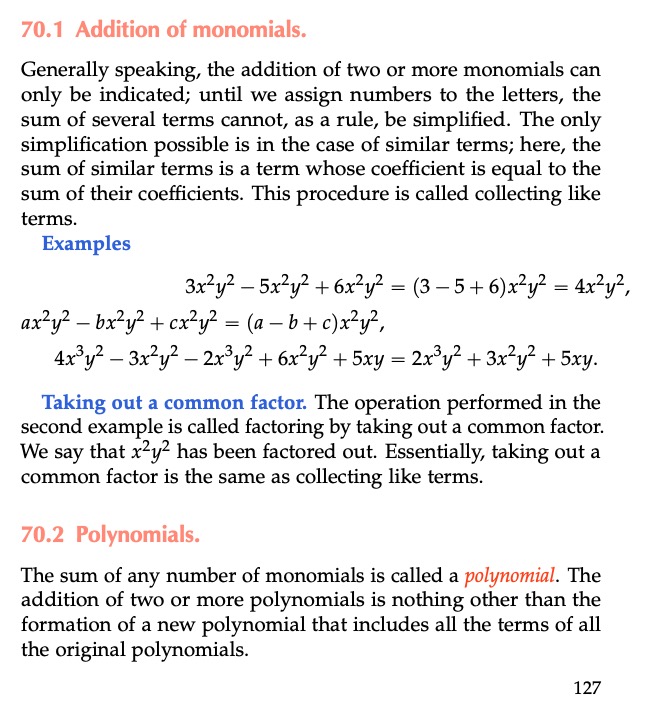
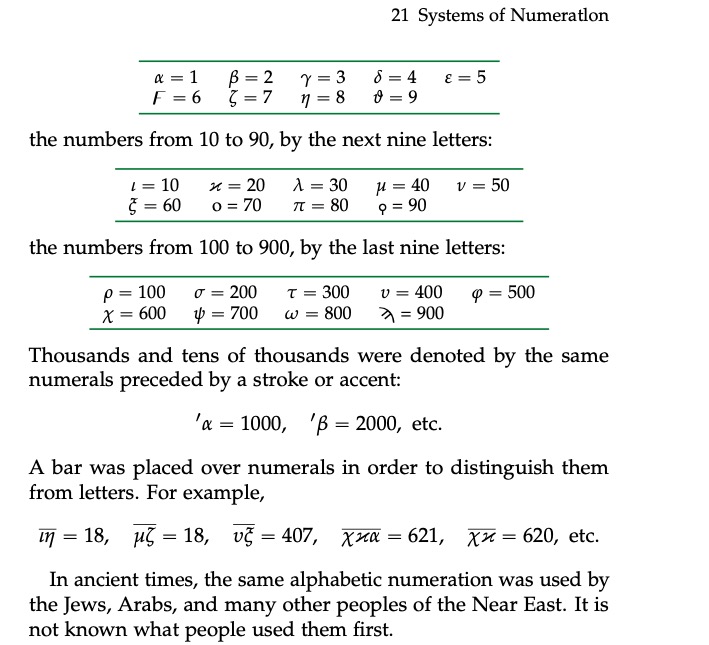
Some snaps from the LaTeX edition…
Screenshot
Screenshot
Screenshot
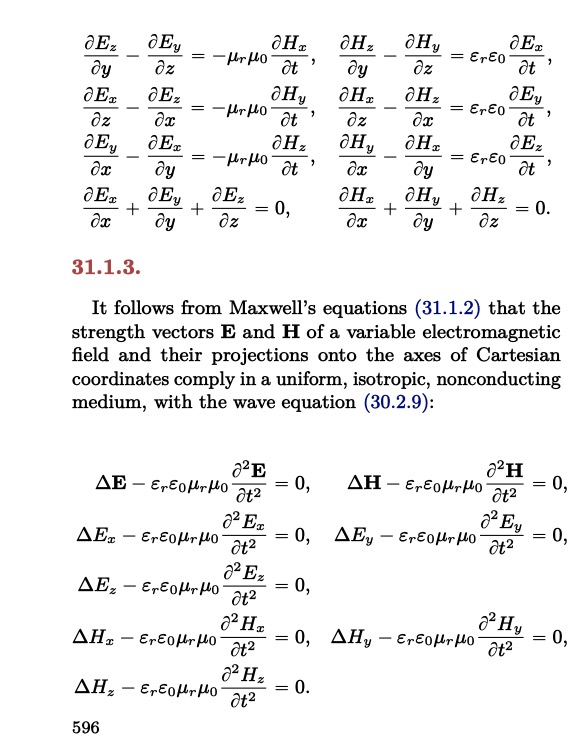
Note: It took me a while to typeset this one. I had started it a long back in 2020, and continued in breaks. This is a long book – almost 1000 pages with eight parts and 43 chapters! At times it felt as if the book will never be completed, it took me on and off more than six years to complete (the first commit is in 2020!, see the screenshot below). The book was essentially complete in June last year, with only few minor tweaks remaining (essentially the margin placements of captions and diagrams) and diagrams to be redone in vector graphics. I have done a few initial ones into SVG, but then I sort of left it. I have not added the appendices and index. May be some time in the future we will have a release that has all diagrams as vector images.
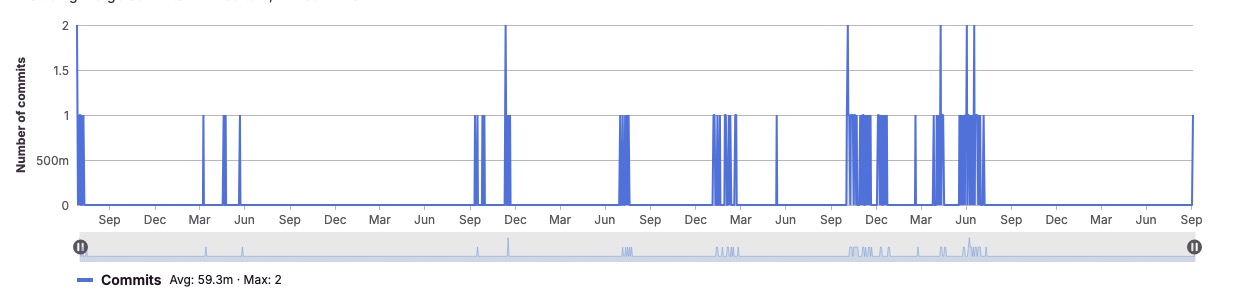
Commits from Sep 2020 to Sep 2026
But anyways, finally here it is. Hope this is useful to all the readers.
PS: Though I have checked (and rechecked), I am sure there will be errors in the typesetting. Do tell if you find any (I am sure you will.) – Damitr
You can get the book here and here.
This book is an Open Educational Resource OER
Released under CC BY NC 4.0
PPS: In the works is Handbook of Elementary Mathematics by Vygodsky (and two textbooks by Irodov), I had real pleasure in typesetting some of the pages there. Hopefully we will see this perhaps before the year end.
Screenshot
Screenshot
Screenshot
Screenshot
Screenshot
Screenshot
Screenshot
Contents
Preface xvii
I. Mechanics 1
1. Kinematics 3
1.1. Mechanical Motion. The Subject Matter of Mechanics 3
1.2. Frames of Reference. Path, Path Length 5
1.3. Velocity 10
1.4. Acceleration 14
1.5. Translational and Rotary Motion of a Rigid Body 17
2. Newton’s Laws 25
2.1. Newton’s First Law. Inertial Frames of Reference 25
2.2. Force 27
2.3. Mass. Momentum 31
2.4. Newton’s Second Law 34
2.5. Newton’s Third Law. Motion of the Centre of Mass 37
2.6. Motion of a Body of Variable Mass 39
2.7. Law of Conservation of Momentum 42
2.8. Galilean Transformations 45
3. Work And Mechanical Energy 51
3.1. Energy, Work and Power 51
3.2. Kinetic Energy 58
3.3. Potential Energy 62
3.4. Law of Conservation of Mechanical Energy 67
3.5. Perfectly Elastic and Inelastic Collisions 72
4. Dynamics of Rotary Motion 79
4.1. Moment of Force and Angular Momentum 79
4.2. Moment of Inertia 85
4.3. The Fundamental Law in the Dynamics of Rotary Motion 89
4.4. Law of Conservation of Angular Momentum 95
5. Fundamentals of the Special Theory of Relativity101
5.1. Postulates of the Special Theory of Relativity 101
5.2. Simultaneity of Events. Synchronization of Clocks 104
5.3. Lorentz’s Transformations 108
5.4. Relativity of Lengths and Time Intervals. 110
5.5. Transformation of Velocities and Accelerations 119
5.6. Basic Law of Relativistic Dynamics 124
5.7. Mass-Energy Relation 127
6. Gravitation 133
6.1. Law of Universal Gravitation 133
6.2. Gravitational Field 136
6.3. Kepler’s Laws. Space Velocities 144
7. Motion in non-inertial Frames of Reference 149
7.1. Kinematics of Relative Motion 149
7.2. Inertial Forces 151
7.3. Frame of Reference Fixed to the Earth 155
7.4. Principle of Equivalence 161
II. Fundamentals of Molecular Physics and Thermodynamics 165
8. Ideal Gases 167
8.1. Subject Matter of Molecular Physics. Thermal Motion 167
8.2. Statistical and Thermodynamic Methods 169
8.3. Thermodynamic Variables 172
8.4. Equation of State of an Ideal Gas 177
9. First law of Thermodynamics 181
9.1. Total and Internal Energy 181
9.2. Heat and Work 184
9.3. First Law of Thermodynamics 189
9.4. Graphical Representation 191
9.5. Heat Capacity of Matter 193
10. Kinetic Theory of Gases 203
10.1. Certain Information on Classical Statistical Physics 203
10.2. Basic Equation 205
10.3. Maxwell’s Distribution Law 208
10.4. Boltzmann Distribution 213
10.5. Mean Free Path of Molecules 216
10.6. Equipartition of Energy 217
10.7. Heat Capacity of Gases 221
10.8. Transport Phenomena in Gases 228
10.9. Properties of Rarified Gases 236
11. Second Law Of Thermodynamics 239
11.1. Cycles. The Carnot Cycle 239
11.2. Reversible and Irreversible Processes 244
11.3. Second Law of Thermodynamics 247
11.4. Entropy and Free Energy 251
11.5. Statistical Interpretation of the Second Law of Thermodynamics 255
11.6. Fluctuations 257
11.7. Brownian Movement 260
11.8. Third Law of Thermodynamics 262
12. Real Gases And Vapours 265
12.1. Forces of Intermolecular Interaction 265
12.2. Van der Waals Equation of State 272
12.3. Isothermals of Real Gases. Phase Transitions 275
12.4. Superfluidity Of Helium 279
13. Liquids 283
13.1. Certain Properties of Liquids 283
13.2. Frenkel’s Hole Theory of the Liquid State 285
13.3. Diffusion and Viscosity Phenomena in Liquids 288
13.4. Surface Tension of Liquids 290
13.5. Wetting and Capillary Phenomena 293
13.6. Vaporization and Boiling of Liquids 298
III. Electrodynamics 303
14. Electric Charges. Coulomb’s Law 305
14.1. Introduction 305
14.2. Coulomb’s Law 307
15. Electric Field Strength And Displacement 311
15.1. Electric Field. Field Strength 311
15.2. Principle of Superposition of Electric Fields 314
15.3. Electric Displacement. Ostrogradsky-Gauss Electric Flux Theorem 318
16. Electric Field Potential 323
16.1. Work in Moving Electric Charge 323
16.2. Electrostatic Field Potential 325
16.3. Field Potential and Strength Relation 331
16.4. Conductors in an Electrostatic Field 333
17. Capacitance 337
17.1. Capacitance of an Isolated Conductor 337
17.2. Mutual Capacitance. Capacitors 339
18. Dielectrics In An Electric Field 345
18.1. Dipole Moments of Molecules of a Dielectric 345
18.2. Polarization of Dielectrics 349
18.3. Relation Between Displacement, Field Strength and Polarization Vectors 353
18.4. Ferroelectric Materials 357
19. Energy Of An Electric Field 361
19.1. Energy of a Charged Conductor and an Electric Field 361
19.2. Energy of a Polarized Dielectric 365
20. Direct Electric Current 367
20.1. Concept of an Electric Current 367
20.2. Current and Current Density 369
20.3. Electron Theory of Electrical Conduction371
21. Direct Electric Current 377
21.1. Extraneous Forces 377
21.2. Ohm’s Law and the Joule-Lenz Law 378
21.3. Kirchhoff’s Laws 384
22. Electric Current In Liquids And Gases 389
22.1. Faraday’s Laws of Electrolysis. Electrolytic Dissociation 389
22.2. Atomicity of Electric Charges 392
22.3. Electrolytic Conduction of Liquids 393
22.4. Electrical Conduction in Gases 395
22.5. Various Types of Gas Discharges 397
22.6. Certain Information on Plasma 400
23. Magnetic Field Of Direct Current 407
23.1. Magnetic Field. Ampere’s Law 407
23.2. The Biot-Savart-Laplace Law 411
23.3. Simplest Cases of Magnetic Fields 415
23.4. Interaction of Conductors 421
23.5. Total Current Law. Magnetic Circuits 424
23.6. Work Done in a Magnetic Field 431
24. Motion of Charged Particles 435
24.1. Lorentz Force 435
24.2. Hall Effect 440
24.3. Charge-to-Mass Ratio of Particles. Mass Spectroscopy 443
24.4. Charged Particle Accelerators 445
25. Electromagnetic Induction 455
25.1. Basic Law of Electromagnetic Induction 455
25.2. Phenomenon of Self-Induction 460
25.3. Mutual Induction 464
25.4. Energy of a Magnetic Field 467
26. Magnetic Materials In A Magnetic Field 471
26.1. Magnetic Moments of Electrons and Atoms471
26.2. An Atom in a Magnetic Field 474
26.3. Magnetic Materials in a Magnetic Field 478
26.4. Magnetic Field in Magnetic Materials 483
26.5. Ferromagnetic Materials 486
27. Fundamentals of Maxwell’s Theory 491
27.1. General Features of Maxwell’s Theory 491
27.2. Maxwell’s First Equation 493
27.3. Displacement Current. Maxwell’s Second Equation 496
27.4. Complete Set of Maxwell’s Equations 501
IV. Oscillations and Waves 507
28. Free Harmonic Oscillations 509
28.1. Harmonic Oscillations 509
28.2. Mechanical Harmonic Vibrations 514
28.3. Free Harmonic Oscillations in an Oscillatory Electric Circuit 521
28.4. Adding Harmonic Oscillations 525
29. Damped And Forced Oscillations 539
29.1. Damped Oscillations 539
29.2. Forced Mechanical Vibration 545
29.3. Forced Electrical Oscillation 551
30. Elastic Waves 559
30.1. Waves in an Elastic Medium 559
30.2. Travelling Wave Equation 564
30.3. Phase Velocity and Energy of Elastic Waves 571
30.4. Superposition of Waves 578
30.5. Interference of Waves 582
30.6. Doppler Effect in Acoustics 591
31. Electromagnetic Waves 595
31.1. Properties of Electromagnetic Waves 595
31.2. Energy of Electromagnetic Waves 601
31.3. Electromagnetic Radiation 606
31.4. Electromagnetic Spectrum 609
31.5. Reflection and Refraction 612
31.6. Doppler Effect 619
V. Optics 623
32. Interference of Light 625
32.1. Monochromaticity and Time Coherence of Light 625
32.2. Interference of Light. Spatial Coherence of Light 629
32.3. Interference of Light in Thin Films 638
32.4. Multiwave Interference 644
33. Diffraction of Light 651
33.1. Huygens-Fresnel Principle 651
33.2. Fresnel Diffraction 657
33.3. Fraunhofer Diffraction 659
33.4. Diffraction by a Space Lattice 669
33.5. Resolving Power of Optical Instruments 673
33.6. Holography 675
34. Absorption, Scattering And Dispersion Of Light 681
34.1. Interaction of Light With Matter 681
34.2. Absorption of Light 683
34.3. Scattering of Light 687
34.4. Normal and Anomalous Light Dispersion 690
34.5. Classical Electron Theory of Light Dispersion 693
34.6. Vavilov-Cherenkov Radiation 697
35. Polarization of Light 701
35.1. Polarization of Light in Reflection and Refraction at the Interface Between Two Dielectric Media 701
35.2. Birefringence (Double Refraction) 705
35.3. Interference of Polarized Light 713
35.4. Artificial Optical Anisotropy 719
35.5. Rotation of the Plane of Polarization 721
36. Thermal Radiation 725
36.1. Thermal Radiation. Kirchhoff’s Law 725
36.2. Stefan-Boltzmann and Wien Laws 731
36.3. Planck’s Formula 733
36.4. Optical Pyrometry 738
37. Fundamentals Of Quantum Optics 743
37.1. External Photoelectric Effect 743
37.2. Mass and Momentum of the Photon. Light Pressure 748
37.3. Compton Effect 751
37.4. Wave-Particle Duality of the Properties of Light 754
VI. Atomic and Molecular Physics 759
38. Elements Of Quantum Mechanics 761
38.1. Wave-Particle Dualism 761
38.2. Schrödinger Wave Equation 765
38.3. Motion of a Free Particle 769
38.4. A Particle in a One-Dimensional Infinitely Deep Potential Well 770
38.5. Linear Harmonic Oscillator 773
38.6. Heisenberg Indeterminacy Principle 779
38.7. Tunnel Effect 784
39. Structure Of Atoms And Molecules 789
39.1. The Hydrogen Atom and Hydrogen-Like Ions 789
39.2. Space Quantization 797
39.3. Pauli Exclusion Principle. Periodic Table 798
39.4. Chemical Bonds and Molecular Structure803
39.5. Optical Properties of Molecules. Molecular Spectra 807
39.6. Raman Scattering of Light 810
39.7. Luminescence. X rays 812
39.8. Stimulated Emission of Radiation. Lasers 817
VII. Basic Solid-State Physics 825
40. Structure Of Solids 827
40.1. Structure of Solids 827
40.2. Thermal Expansion of Solids 830
40.3. Brief Information on the Elastic Properties of Solids 832
40.4. Basic Concepts of Phase Transitions in Solids 837
41. Quantum Physics Of Solids 843
41.1. Basic Concepts of Quantum Statistics 843
41.2. Bose-Einstein and Fermi-Dirac Distribution Functions 844
41.3. Degeneracy of Systems 848
41.4. Degenerate Electron Fermi Gas in Metals851
41.5. Quantum Theory of Electrical Conduction in Metals 856
41.6. Superconductivity 860
41.7. Heat Capacity of Solids 866
41.8. Band Theory of Solids 873
41.9. Metals and Dielectrics in the Band Theory877
41.10. Electrical Conduction of Semiconductors 880
41.11. Electrical Contact Phenomena 885
VIII.Nuclear Physics and Elementary Particles 893
42. Properties Of Atomic Nuclei 895
42.1. Main Properties and Structure of the Nucleus 895
42.2. Binding Energy of Nuclei. Mass Defect 899
42.3. Nuclear Forces 903
42.4. Radioactivity 907
42.5. Alpha Decay 913
42.6. Beta Decay 915
42.7. Gamma Rays 920
42.8. Mössbauer Effect 924
42.9. Nuclear Reactions 929
43. Elementary Particles 945
43.1. Preliminary Information on Elementary Particles 945
43.2. Classification of Elementary Particles and Their Interaction 998
43.3. Certain Information on Various Elementary Particles 1002
43.4. Conservation Laws of Elementary Particles1007
43.5. Antiparticles 1010
43.6. Structure of the Nucleon 1014


Absolutely beautiful typeset. Just amazing. Well done Mitr.
LikeLike